
The small fishing town of Bathsheba in Barbados is home to one of the most surprising right-hand reef breaks on the planet. Here's what makes Soup Bowl such an incredible wave.
The east coast of Barbados gets a lot of Atlantic winter swells and wind, too. However, if there's one surf spot that truly welcomes onshore breeze it's Soup Bowl.
The most easterly Caribbean island nation is cherished by the British Commonwealth and famous for its holiday resorts, clear blue water, and white sand beaches.
Interestingly, it owes its name to the Portuguese ocean explorers who claimed the island between 1533 and 1536.
The name "Barbados" originates from the Portuguese word "barbudos," which translates to "bearded men."
The designation stemmed from the observation of the lush vegetation on the island, particularly trees adorned with vines, which somehow resembled bearded faces.
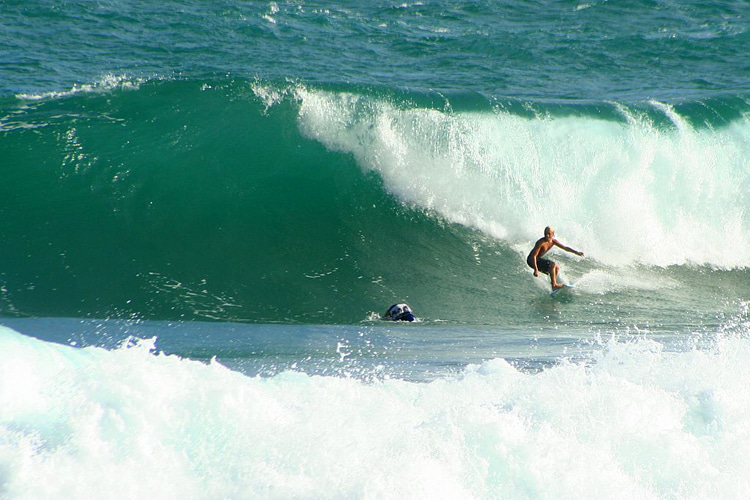
A Hollow Barrel Breaking on a Boiling Reef
Barbados' legendary surfing venue has been characterized in many ways.
Some have called it a "mutant, backless slab" that has "the ability to turn a two-foot wind chop into a steep, highly shreddable 'bowl.'"
Others say that "when it's big, it can make your heart jump out in your throat."
Thankfully, thanks to the strong, constant trade winds that generate year-round swell on the windward coast and regular winter N-NE groundswells, Barbados is constantly blessed by above-average waves.
Soup Bowl is special, though.
It's a particularly powerful, intense, and hollow right-hander that challenges the world's best surfers with its vertical drops, thick bowls, and thunderous shut-down sections that work even with the regular onshore trade winds.
Believe it or not, 11-time world surfing champion Kelly Slater once hailed it as one of his top three waves.
The Floridian stressed that Soup Bowl has a "really good curve that allows all sorts of maneuvers and airs."
In 2005, after a magical session here, Slater was flabbergasted. "If I could repeat this day for the rest of my life, I would."
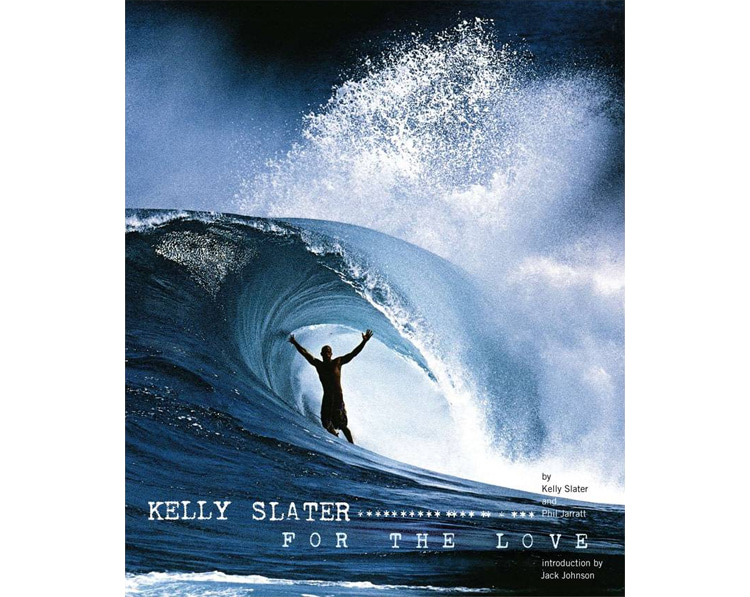
The Barbados wave had such an impact that it made the cover of the champion's biography, "Kelly Slater: For the Love."
The iconic break's name hides significant data.
Winter N swells help shape the curvy, bowl-like barreling section, while the strong local rips that show up hit the shallow reef sections, generating boiling whitewater that resembles a bubbling soup.
The locals know this Caribbean gem well and when to paddle for the right set, but the good news is that its consistency will distribute wealth fairly.
The problem comes when too much gets too much to handle.
XXL waves normally greet surfers with painful experiences and irreversible equipment damage.
Another unavoidable variable is the army of urchins ready to attack on the inside, along with the omnipresent NE-E trade winds.
Soup Bowl can also be gentle with the newcomers to the sport.
During windless mornings on low tide, beginner surfers have a chance to improve and progress their skills at the famous Caribbean wave.
With nearly 355 days of surf and warm water, it's actually difficult to miss good waves.
Nevertheless, when it comes to wave height, Soup Bowl accommodated three main stages throughout the year:
- July-August: 2-3-foot waves;
- September-October: 3-6-foot waves;
- November-May: 15-foot-plus waves;
The tropical vibes are everywhere, from the palm tree standing tall near the shore to the friendly and welcoming social environment of Bathsheba.
The air and water temperatures are nearly constant all year round at 79 °F (26 °C).
Honoring the Island's Idols
Surfing in Barbados has a long history that dates back to the 1960s.
Wales-born Bill Thomson (1949-2017) founded the Barbados Surfing Association and initiated a series of competitive events on the island, culminating with the arrival of several World Surf League (WSL) contests, including the Thomo QS1000 and the Barbados Surf Pro.
The passing of local star Zander Venezia in the waves of Box by Box, a nearby spot just 1.1 miles (1.8 kilometers) north of Soup Bowl, inspired a new competition in his honor.
Live Like Zander Junior Pro in Loving Memory of Zander Venezia provides the platform for juniors to gain more experience at the world-class reef break while paying homage to one of the island's own.
"This event all started with an idea Zander had about having an event in Barbados, and I went along with Chris [Clarke] and said that I would help him," said Louis Venezia, Zander's father.
"Over a decade later, I feel really proud of what we've been able to put on. When I see kids who started coming here and competing against Zander, like Cole Houshmand and Kade Matson, they started here, and Soup Bowl helped mold their surfing in a world-class wave.
"Now I'm seeing them and the women like Caity [Simmers] surf Sunset, and it's amazing."
"We're welcoming the next kids and just want to show them what Zander was all about, so it's a very special time for all of us."
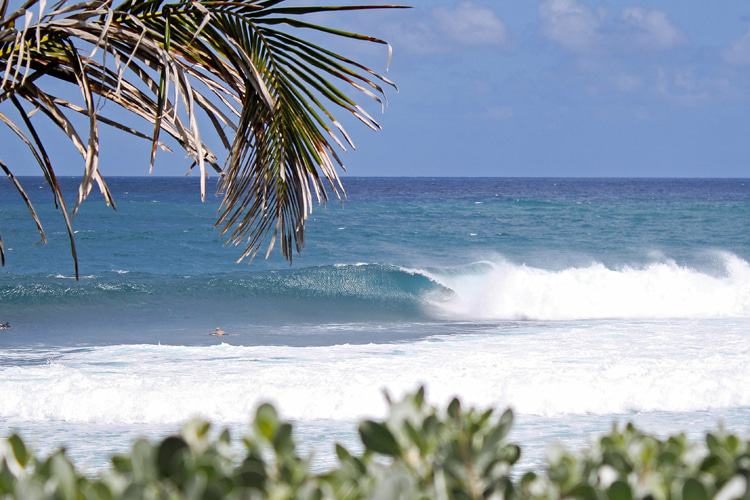
Soup Bowl, Barbados | ID and X-Ray
Location: Soup Bowl, Bathsheba, Barbados
Type of Wave: Right-Hand Reef Break
Length: 50 yards (50 meters)
Best Swell Direction: NE-SE
Best Wave Size: 3-10 Feet
Best Wind Direction: W
Best Tide: All
Best Time to Surf: Dry Season (November-May)
Skill Level: Beginner, Intermediate and Advanced
Best Board: All-Around Shortboard
Crowd: Moderate
Water Quality: Good
Hazards: Urchins and Shallow Inside Section
Bottom: Coral with Limestone Reef
Water Temperature: 79 °F (26 °C)
Getting There: Paddle out
por Surf News | Headlines and Top Stories https://ift.tt/bLrflIE