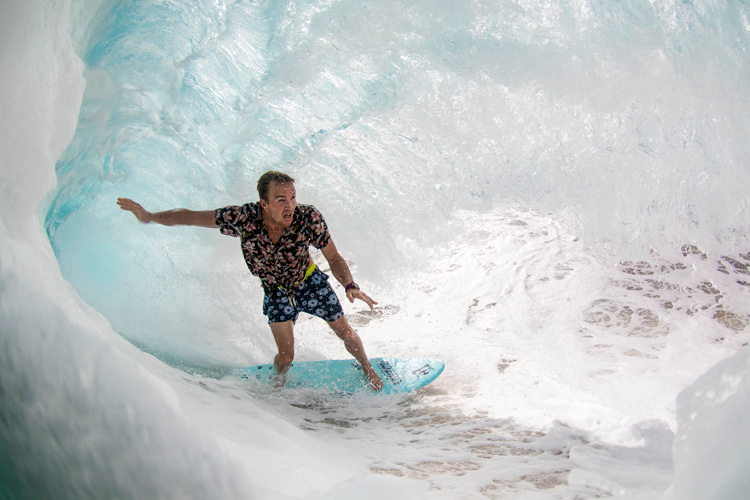
They break close to the shore, and because of that, they can be life-threatening. Here's what you should know about shorebreak waves.
Shorebreak waves, also known as insiders, inside breaks, or shoreys, are a striking yet perilous phenomenon occurring when waves rapidly peak and break directly onshore.
These liquid detonations unfold on sharply sloping beaches, where incoming waves eschew the gradual breaking process and instead crash abruptly and steeply onto the shore.
This distinctive behavior poses a substantial risk to beachgoers, with the primary hazard being trauma injuries, a danger that escalates with increasing wave height.
The Mechanics of a Shorebreak
Shorebreak waves represent a nuanced version of a beach break, breaking on or very close to the shore.
They're not a rare event and could take place anywhere where swells can reach.
These waves share characteristics with traditional beach or reef breaks but distinguish themselves by breaking extremely close to the shoreline.
The danger lies not only in the proximity of the break but in the sheer force these waves exert.
Imagine the weight of a car pushing down on your body, pinning you against the sand - this vividly illustrates the impact that an insider wave can have, potentially altering lives forever.
Sometimes, its behavior is unpredictable and random, especially when high tides and big swells align.
Shorebreak waves are often followed by a powerful backwash that sweeps everything and everyone back into the water.
Hazards and Risk Factors
The hazards associated with shorebreak extend beyond the captivating visuals and the thunderous sound.
Trauma injuries, particularly to the neck and spine, are commonplace, emphasizing the need for vigilance.
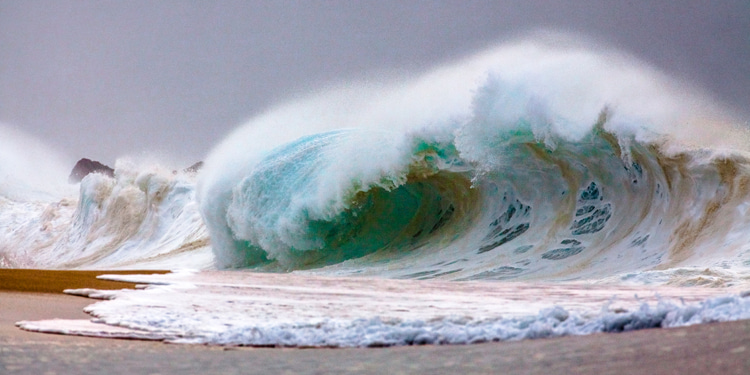
Insiders can be deceptively powerful, even with waves that may not qualify as "high surf."
They are not confined to a specific region; it is a common characteristic of surf along the Southern California coast, where beaches exhibit abrupt changes in bottom depth.
One of the most eye-catching examples is Newport Beach's The Wedge.
The swells, traveling through deep water, maintain their integrity until they encounter shallower water near the shore, breaking abruptly in extremely shallow waters.
Steep shorelines and sudden changes in bottom depth contribute to the prevalence of shorebreak conditions.
Also, beaches that have been losing a significant amount of sand can suddenly morph into saltwater detonation venues.
Specific Injuries
The dangers posed by shorebreaks are manifold.
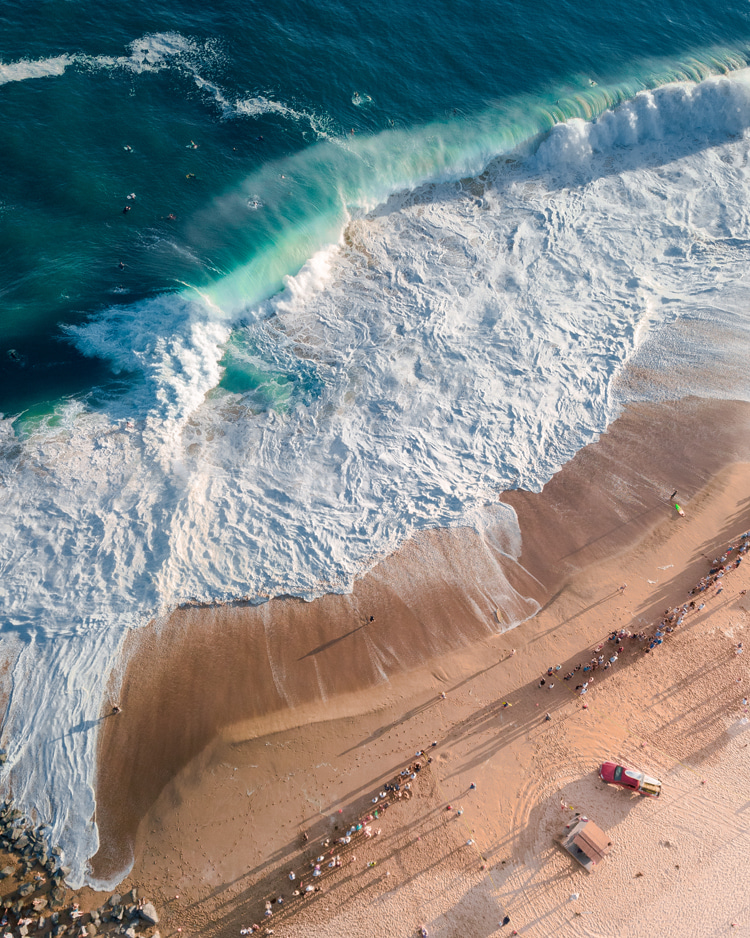
Even seemingly small inside waves can harbor enough power to cause bone injuries, pin swimmers to the bottom, and wash beachgoers, especially children, into the surf zone.
The sudden change in bottom depth, coupled with a steep shoreline, can impede a swift return to shore once beyond touching depth.
Neck and back injuries are the most common consequences of shorebreak incidents.
The force of the waves can throw swimmers and surfers headfirst into the bottom, highlighting the critical need to protect the head and neck by keeping hands in front at all times.
The inside break is not confined to a specific locale; it is a global phenomenon with renowned examples in various surfing destinations.
Supertubos in Portugal, and South Stradbroke in Australia stand as shorebreak spots where the waves display both power and the potential for thrilling barrel rides.
But the most famous examples of shoreys are in the Hawaiian islands.
Hawaii: The Shorey Capital
Hawaii, despite its picturesque beaches, harbors particularly dangerous conditions for these occurrences.
The unique geographical characteristics of the islands, lacking a continental shelf to slow down incoming waves, make shorebreak waves in Hawaii exceptionally powerful.
Even when the surf seems relatively small, the absence of a continental shelf amplifies the force of shorebreak, presenting a heightened risk of injury, especially spinal injuries.
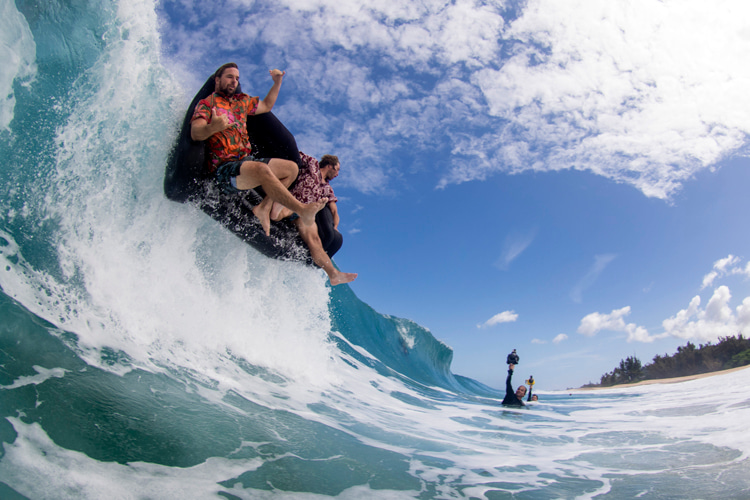
One of these places is Ke Iki Beach, an infamous surf spot known for its bodyboarding stunts in the pounding rollers.
Ke Iki Beach is the locale of choice for Clark Little's stunning photo work.
Some brave surfers enjoy the sadist pleasure of dropping into these exploding waves with noticeable consequences.
Sandy Beach and Waimea Bay in Oahu and Kaanapali in Maui are also home to a deadly version of this type of wave.
Safety Measures
Staying situationally aware is paramount when navigating shorebreak conditions.
Lifeguards stationed on guarded beaches play a crucial role in ensuring beachgoer safety.
They respond to emergencies and provide up-to-date information on beach conditions.
Choosing guarded beaches and heeding lifeguard advice significantly reduces the risk associated with insiders.
Specific precautions are crucial for those venturing into shorebreak waters, especially when children are in the vicinities.
Never diving headfirst into it, ducking under oncoming waves instead helps mitigate the risk of being thrust into the ocean floor.
Protecting the head and neck at all times is a non-negotiable safety measure, too.
por Surf News | Headlines and Top Stories https://ift.tt/WPTnDuk