
US Olympian and beloved swimming coach Richard Thornton passed away at the age of 65.
The news of his untimely death, which occurred at The Hook in Santa Cruz, California, left the swimming community in disbelief.
Thornton's brother, Marc Thornton, recounted the heart-wrenching moment of his brother's passing, stating, "He was following his buddy down the steps."
"His buddy jumped in the water and looked up for Richard. Richard was just standing there at peace, not clutching his heart or anything, and he just kind of collapsed into the water."
Despite the sudden loss, Marc told ABC 7 that Richard passed away "doing what he loved."
"He could be in a hospital for six months with an oxygen tube, losing weight and all that. What a way to go for someone who loved the beach and being in the water."
Richard Thornton was more than just an Olympian; he was a fixture in the world of California swimming for nearly four decades.
Born in 1959, he grew up with a deep passion for the water, and this love for swimming would shape his entire life.
In his early years, he could often be found either at the pool or at the beach, always eager to dive into the water.
His journey to becoming an Olympian and renowned coach began when he attended the University of California, Berkeley, from 1977 to 1980.
During his time at Cal, he became a two-time All-American and even secured a national championship.
This was the start of a remarkable career that would forever be associated with the Golden State.
In 1980, at the age of 21, Richard Thornton qualified for the US men's Olympic swimming team.
However, history remembers him not for competing but for taking a principled stand.
He chose to boycott the 1980 Summer Olympics in Moscow, along with his fellow American athletes, in protest of the Soviet Union's invasion of Afghanistan.
It was a decision rooted in conviction and a testament to his dedication to the values he held dear.
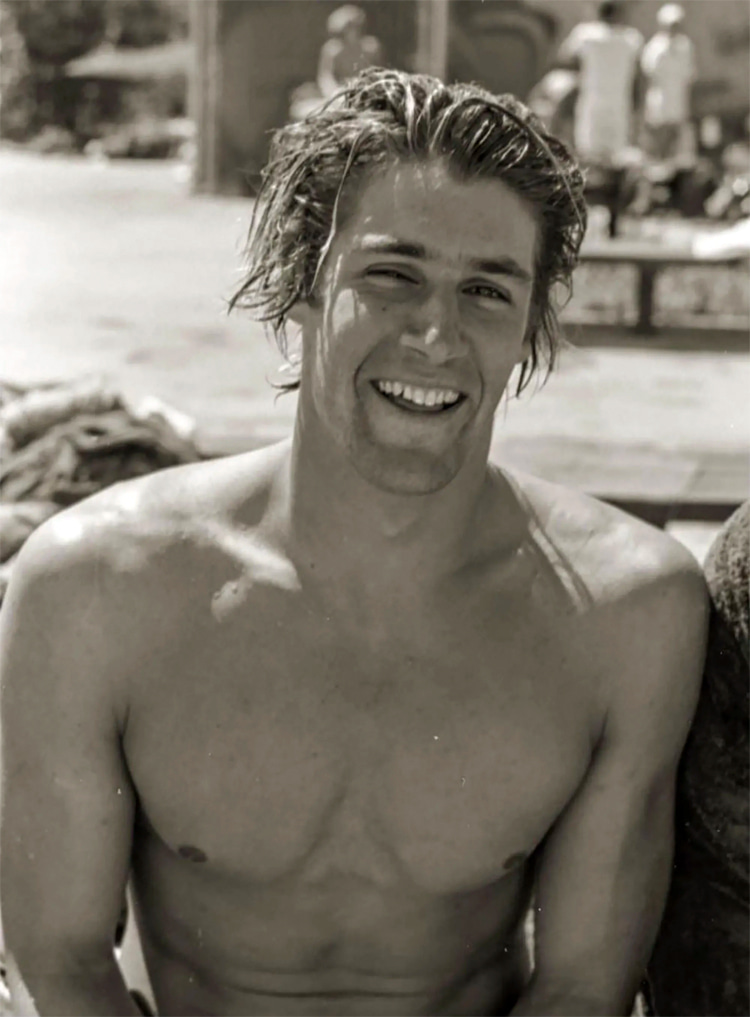
From Swimmer to Mentor
Following his time as a competitive swimmer, Richard Thornton transitioned into coaching.
He assumed the role of the head coach at San Ramon Valley Aquatics (SRVA) in 1984, a position he held until his passing.
His coaching career was marked by incredible achievements and a passion for nurturing young talent.
Marc Thornton, Richard's younger brother, emphasized Richard's mentorship and personal connection with his swimmers.
He told KTVU Fox 2, "He would sit down with them personally and actually understand them individually and help them achieve what they could achieve."
"He was very open and earnest. He just cared about people on an individualized basis, and that's why people, I think, looked up to him as a mentor."
Under Richard Thornton's guidance, many budding swimmers set their sights on Olympic dreams.
His impact extended beyond the pool, leaving an indelible mark on the lives of those he touched.
A Family Legacy
The Thornton family had deep-rooted ties to the world of swimming.
Richard's father, Nort Thornton, served as the head coach of the Cal men's swim team for more than three decades.
It was a family legacy that celebrated the beauty and power of the water. Tragically, Nort Thornton passed away in 2021, leaving behind a rich heritage in the world of swimming.
The passing of Richard Thornton has left a void in the swimming community and the hearts of those who knew him.
Pacific Swimming described his loss as "a great loss to the swimming community."
He was more than an athlete and a coach; he was a mentor, a friend, and a beloved member of the swimming family.
His daughter, Kirra, dispelled reports of his death being the result of a surfing accident and revealed that he had been battling Multiple Myeloma, a fact known only to his closest family.
Despite his health struggles, Richard Thornton remained unyielding in his pursuit of happiness.
His love for the beach and the water was unwavering.
por Surf News | Headlines and Top Stories https://ift.tt/cuq731k