Pular para o conteúdo principal

Veja cargos da área de turismo que devem ter grande demanda


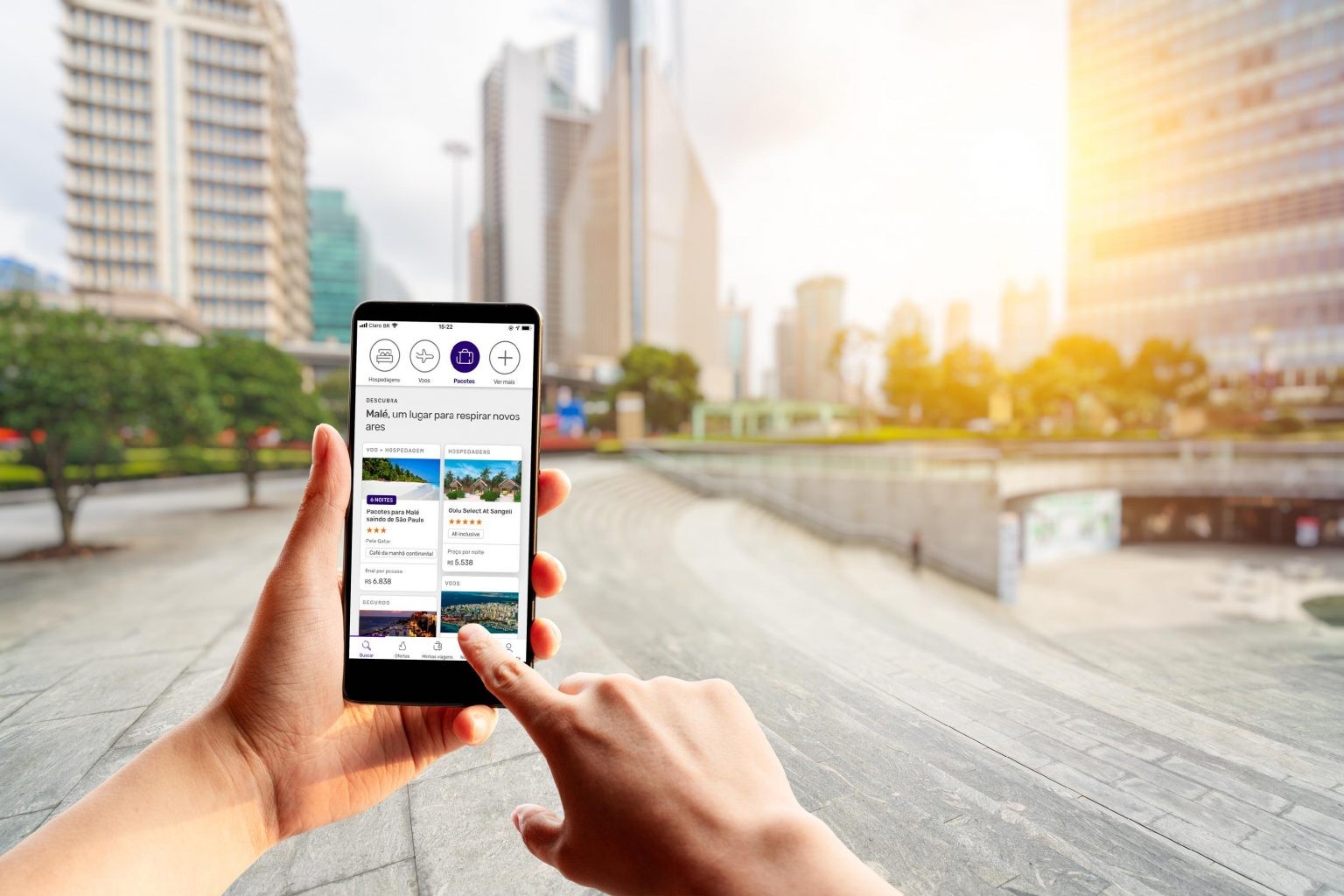
Análise da Decolar mostra que foco no cliente, criatividade e inovação serão os fatores mais relevantes para quem deseja trabalhar no setor. Setor de turismo deve demandar posições relacionadas a atividades digitais Divulgação/Decolar Levantamento da empresa de viagens Decolar mostra as posições que devem ter grande demanda pelas empresas que atuam no setor de turismo, em especial posições ligadas a atividades digitais. A Confederação Nacional do Comércio de Bens, Serviços e Turismo (CNC) revisou de 3,5% para 4,3% a expectativa de crescimento do turismo no país em relação ao ano passado por conta da tendência de atendimento à demanda reprimida nos últimos anos. A perspectiva da CNC é que o turismo brasileiro restabeleça o nível de ocupação de antes da pandemia a partir do início do período de contratações para a próxima alta temporada, encerrando 2022 com 319,4 mil postos de trabalho criados. Já o Conselho Mundial de Viagens e Turismo (WTTC) prevê que o setor gere 5,5 milhões de novos empregos na América Latina nos próximos 10 anos, sendo os perfis digitais os com maior demanda. Retomada econômica: pesquisa aponta turismo como importante gerador de emprego Veja abaixo as 5 posições mais demandadas pelo setor de turismo: Programador: responsável pelo desenvolvimento de software, utilizando linguagens de programação. Para o setor de turismo isso é fundamental, pois ajuda a inovar e criar soluções tecnológicas para enriquecer e melhorar a experiência do viajante. Por exemplo, comprar todos os produtos turísticos que uma pessoa precisa em uma única plataforma. Designer de experiência do usuário (UX): responsável por cuidar da experiência do usuário, desde o design até a implementação de estratégias, com o objetivo de satisfazer as necessidades dos usuários em potencial, focado principalmente em três aspectos: usabilidade, acessibilidade e interação. O trabalho é essencial para entender a percepção, necessidades, hábitos e crenças dos viajantes e, a partir disso, criar experiências diferenciadas e personalizadas. Analista de dados: responsável por estudar e interpretar os dados para convertê-los em informações relevantes para a tomada de decisões. No turismo, é de grande utilidade para compreender padrões de comportamento dos viajantes e oferecer a eles propostas adaptadas aos seus interesses. Especialista em Estratégia Comercial: responsável por analisar o mercado e desenhar estratégias direcionadas para atingir os objetivos organizacionais. Deve ser um profissional criativo, resiliente e com proatividade. De acordo com a pesquisa, foco no cliente, criatividade e inovação serão as habilidades mais relevantes para os trabalhadores do turismo nos próximos anos. “Um dos principais desafios do turismo é encontrar os melhores talentos que ajudem a resolver os problemas complexos dessa área que ainda precisam ser enfrentados, agregando valor a um dos setores mais importantes para a economia nacional", diz Camila Russo, diretora de Recursos Humanos da Decolar.

Este artigo g1 > Turismo e Viagem foi publicado em https://g1.globo.com/trabalho-e-carreira/noticia/2022/10/13/veja-cargos-da-area-de-turismo-que-devem-ter-grande-demanda.ghtml

Via RSS publicado em https://vitorolig.tumblr.com/post/697998448885153792

Postagens mais visitadas deste blog

Duke Kahanamoku reflects on surfing, Olympics, and old Hawaii in 1966 interview

Duke Kahanamoku is the most influential surfer of all time and is often hailed as the father of modern surfing. There is nearly no one questioning these titles. Recently, Public Broadcasting Service (PBS) Hawaii unveiled a never-before-seen interview with the legendary surfer and Olympic swimmer. In the 1966 episode of Pau Hana Years, a seminal Hawaii television program that aired on KHET-TV (now PBS Hawaii) for 16 years, running from 1966 until 1982, Bob Barker chats with Duke Kahanamoku, then 76. The conversation drifts from royal ancestry to Olympic lanes, from Hollywood sets to a surfboard shaped by hand, tracing the outline of a life that helped define modern surfing and Hawaii's public image in the 20th century. And if you know little about the man who dreamed of getting surfing into the Olympic Games, this is a precious piece of history. A name with history, worn casually The interview starts with Kahanamoku explaining that "Duke" is not a title but his giv...

The hydrodynamics of surfboard fins

Have you ever wondered why a surfboard fin looks like that? It is a single or a set of fixed blades or keels located under a board, near the tail, often no bigger than a hand. Yet that small surface is where much of the surfboard's behavior takes place. Speed, hold, looseness, and the feeling of control all trace back to how water moves around fins. The physics of surfboard fins falls under hydrodynamics, the study of how fluids behave in motion. So, according to science, they feature a shape designed to turn flowing water into several forces. Let's take a look at what's at stake when fins and water interact. Lift and the feeling of control One of the key variables in hydrodynamic terms involving surfboard fins is lift. When a surfer leans into a turn, the board tilts and the fins meet the water at an angle. The angle is enough to create a pressure difference between the two sides of the fin. Water speeds up on one side and slows on the other. The result is a sidewa...

How paddleboarding transforms your body and mind

Adventure is on our doorstep. With so many different bodies of water available to paddleboarders, from city canals to coastal routes, we can find adventure in places much closer to home than people might initially expect. According to the Canal and River Trust, 50 percent of people in England and Wales live within just eight kilometers of a canal or river, and eight million people live less than one kilometer away. I had lived within just a few kilometers of the Leeds and Liverpool Canal for years and never really explored it before stand-up paddleboarding (SUP) came into my life . The challenge created both a new perspective and a deeper love for where I lived and the areas which I passed through. On my coast-to-coast journey, I slept in my own bed for two nights as the route passed through my then hometown of Skipton, yet I felt I was on a grand journey of discovery. We are braver, stronger, and more resilient than we think. SUP not only helps us feel more connected to our va...