Pular para o conteúdo principal

Desembarque de passageiros de avião por fileiras é mantido pela Anvisa


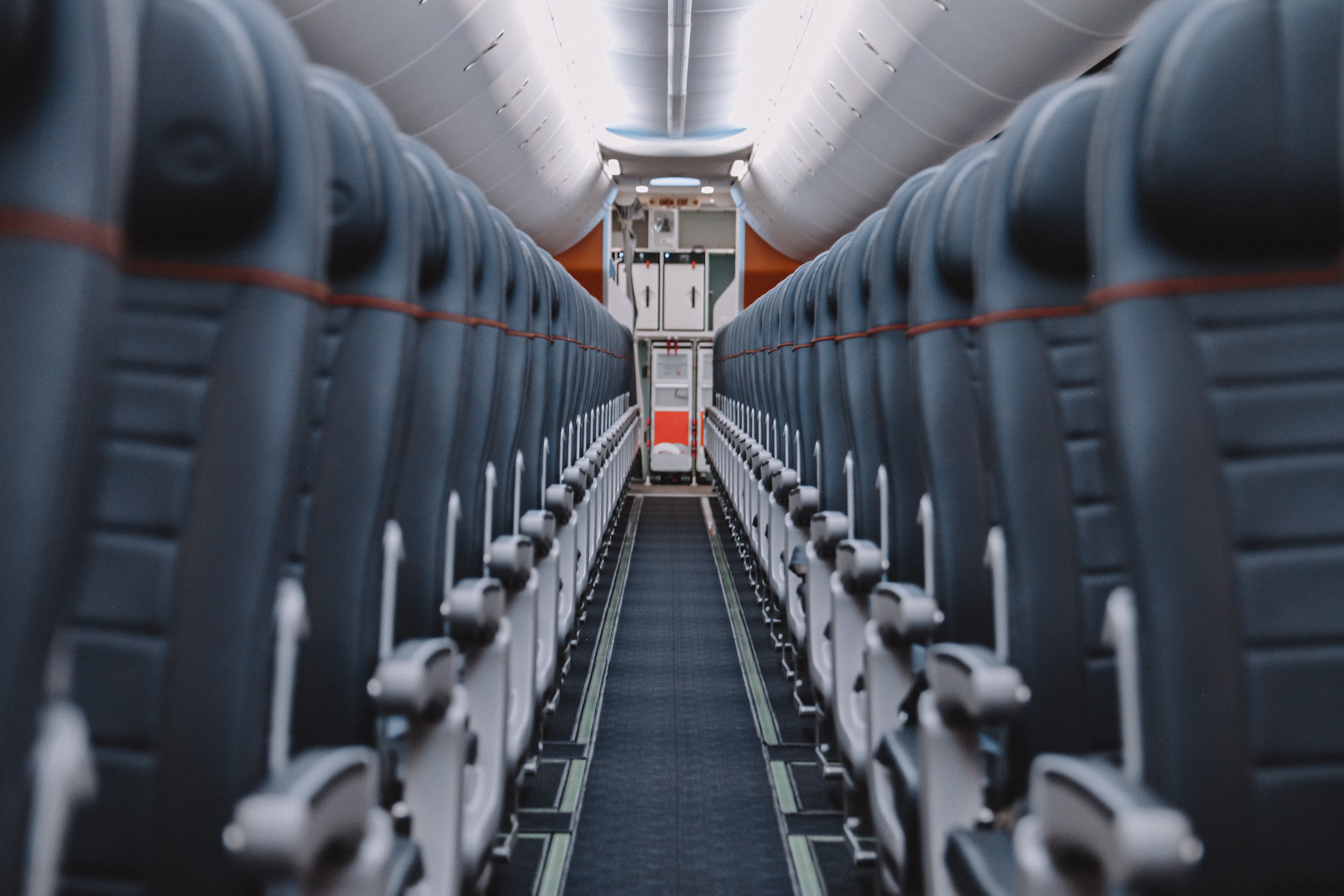
Na mesma decisão, a agência retirou o uso obrigatório de máscaras em aeroportos e aeronaves. Desembarque de passageiros de avião por fileiras é mantido pela Anvisa Natã Romualdo / pexels A Anvisa (Agência Nacional de Vigilância Sanitária) manteve, nesta quarta-feira (17), a obrigatoriedade do desembarque dos passageiros de avião por fileiras. Medida foi adotada como prevenção à disseminação da Covid-19 em aeroportos e aeronaves. Na mesma determinação, a agência retirou a obrigatoriedade do uso de máscaras em aeroportos e aeronaves. Mas segue recomendando o uso nesses ambientes. Leia também: AVIÃO SUPERSÔNICO: conheça o Overture, que terá o dobro da velocidade das aeronaves atuais México volta a exigir visto impresso de brasileiros: veja como fazer Em maio deste ano, a Anvisa liberou o serviço de bordo em aeronaves, mas manteve o uso de máscaras em aviões e áreas restritas de aeroportos. Na época, o retorno do uso da capacidade máxima para transporte de passageiros também foi autorizado. Outras medidas também devem continuar sendo adotadas pelas companhias e aeroportos, são elas: disponibilização de álcool em gel em aeroportos e aeronaves procedimentos de limpeza e desinfecção sistemas de climatização avisos sonoros com adaptações, recomendando o uso de máscaras, especialmente por pessoas vulneráveis Conheça o Overture, projeto de avião supersônico que pode chegar a 1.800 km/h: Conheça o Overture, projeto de avião supersônico que pode chegar a 1.800 km/h

Este artigo g1 > Turismo e Viagem foi publicado em https://g1.globo.com/turismo-e-viagem/noticia/2022/08/17/desembarque-de-passageiros-de-aviao-por-fileiras-e-mantido-pela-anvisa.ghtml

Via RSS publicado em https://vitorolig.tumblr.com/post/692875965185081344

Postagens mais visitadas deste blog

Duke Kahanamoku reflects on surfing, Olympics, and old Hawaii in 1966 interview

Duke Kahanamoku is the most influential surfer of all time and is often hailed as the father of modern surfing. There is nearly no one questioning these titles. Recently, Public Broadcasting Service (PBS) Hawaii unveiled a never-before-seen interview with the legendary surfer and Olympic swimmer. In the 1966 episode of Pau Hana Years, a seminal Hawaii television program that aired on KHET-TV (now PBS Hawaii) for 16 years, running from 1966 until 1982, Bob Barker chats with Duke Kahanamoku, then 76. The conversation drifts from royal ancestry to Olympic lanes, from Hollywood sets to a surfboard shaped by hand, tracing the outline of a life that helped define modern surfing and Hawaii's public image in the 20th century. And if you know little about the man who dreamed of getting surfing into the Olympic Games, this is a precious piece of history. A name with history, worn casually The interview starts with Kahanamoku explaining that "Duke" is not a title but his giv...

The hydrodynamics of surfboard fins

Have you ever wondered why a surfboard fin looks like that? It is a single or a set of fixed blades or keels located under a board, near the tail, often no bigger than a hand. Yet that small surface is where much of the surfboard's behavior takes place. Speed, hold, looseness, and the feeling of control all trace back to how water moves around fins. The physics of surfboard fins falls under hydrodynamics, the study of how fluids behave in motion. So, according to science, they feature a shape designed to turn flowing water into several forces. Let's take a look at what's at stake when fins and water interact. Lift and the feeling of control One of the key variables in hydrodynamic terms involving surfboard fins is lift. When a surfer leans into a turn, the board tilts and the fins meet the water at an angle. The angle is enough to create a pressure difference between the two sides of the fin. Water speeds up on one side and slows on the other. The result is a sidewa...

How paddleboarding transforms your body and mind

Adventure is on our doorstep. With so many different bodies of water available to paddleboarders, from city canals to coastal routes, we can find adventure in places much closer to home than people might initially expect. According to the Canal and River Trust, 50 percent of people in England and Wales live within just eight kilometers of a canal or river, and eight million people live less than one kilometer away. I had lived within just a few kilometers of the Leeds and Liverpool Canal for years and never really explored it before stand-up paddleboarding (SUP) came into my life . The challenge created both a new perspective and a deeper love for where I lived and the areas which I passed through. On my coast-to-coast journey, I slept in my own bed for two nights as the route passed through my then hometown of Skipton, yet I felt I was on a grand journey of discovery. We are braver, stronger, and more resilient than we think. SUP not only helps us feel more connected to our va...