Pular para o conteúdo principal

Trem que pode chegar a mais de 1.000 km/h é testado com sucesso

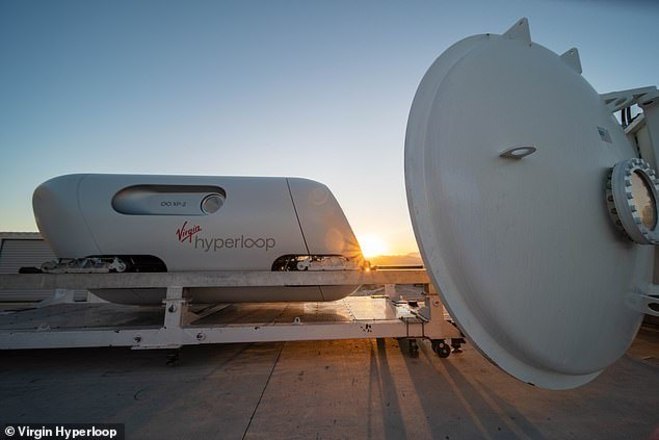
A empresa norte-americana de tecnologia de transporte Virgin Hyperloop, que trabalha com o conceito de hyperloop (tecnologia de alta velocidade, em português), informou nesta segunda-feira (9) que realizou com sucesso o primeiro teste de seu trem ultrarrápido com passageiros a bordo. A experiência ocorreu na tarde de domingo (8) na cidade de Las Vegas, em Nevada, nos Estados Unidos

*Estagiária do R7 sob supervisão de Pablo Marques
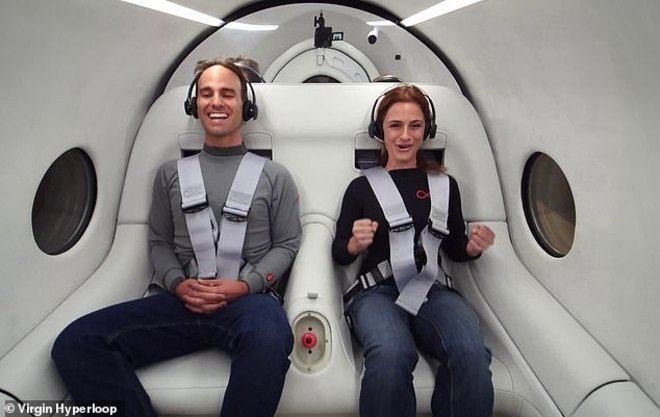
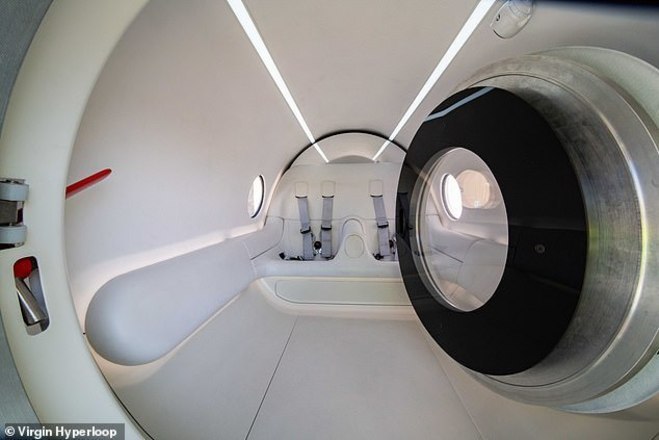
Os dois primeiros passageiros do Pegasus, como foi batizado o veículo, foram o diretor de tecnologia da empresa, Josh Giegel, e a líder do setor de experiência do usuário, Sara Luchia. No futuro, será possível transportar até 28 passageiros quando todos os assentos estiverem ocupados 
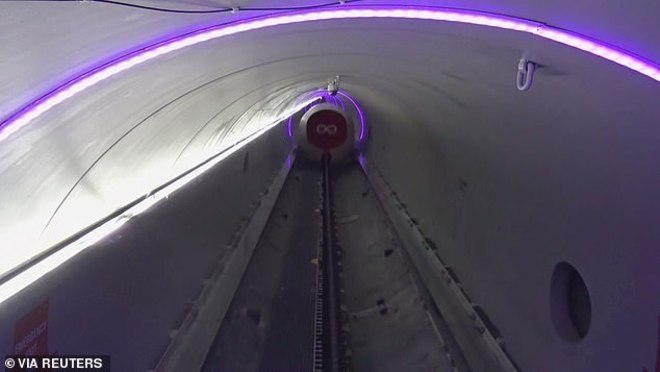
A 160km/h, Josh e Sara levaram apenas 15 segundos para percorrer uma pista de 500 metros. O recorde em testes foi atingido em 2017, quando o veículo viajou a 386 km/h. Segundo seus desenvolvedores, esta é uma velocidade ainda distante da prometida para o Pegasus, que deve ultrapassar os 1.080km/h quando o projeto for concluído
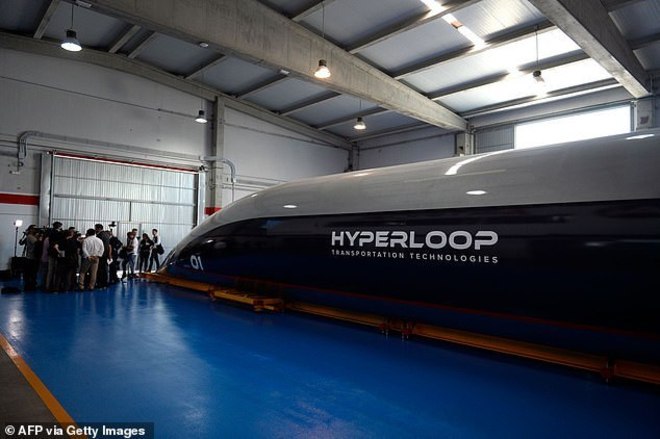
De acordo com especialistas, uma viagem hyperloop entre Nova York e Washington levaria apenas 30 minutos – duas vezes mais rápido que um voo a jato comercial e quatro vezes mais rápido que um trem de alta velocidade
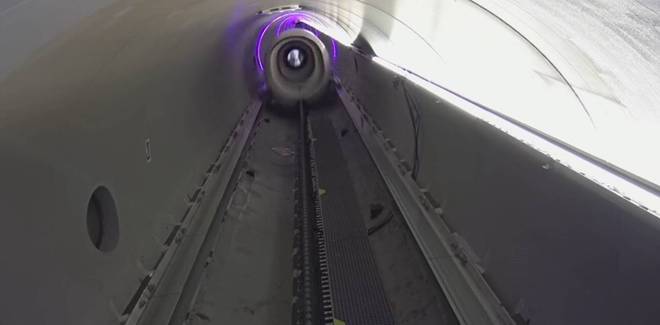
Ao mesmo tempo em que o Pegasus é capaz de atingir velocidades altíssimas, o veículo também proporciona uma viagem silenciosa
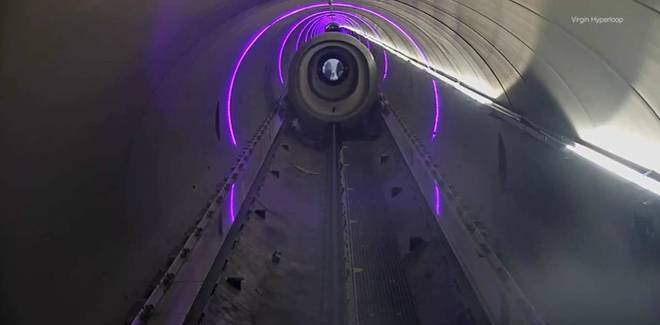
O Pegasus é suspenso por levitação magnética, mesma tecnologia utilizada em trens-bala, com a diferença de que o veículo percorre um tubo selado a vácuo após ser impulsionado. Com isso, ele não sofre atrito com os trilhos, o que limita a velocidade em trens convencionais
Em entrevista ao portal The Verge, o professor de engenharia civil Constantine Samaras afirmou que uma experiência bem-sucedida realizada em uma pista de 500m não é suficiente para garantir a segurança do veículo
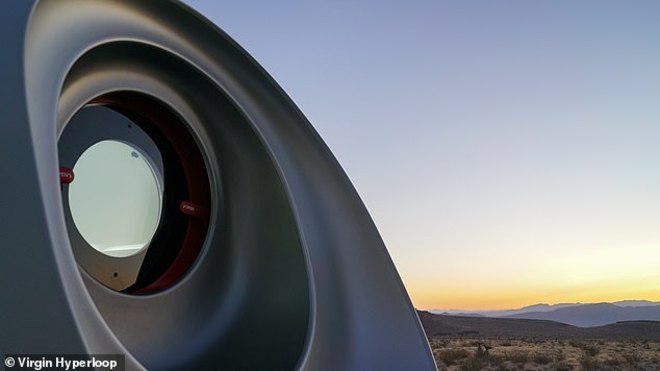
A Virgin Hyperloop pretende realizar ainda diversos testes, no entanto, e está trabalhando para obter a certificação de segurança do hyperloop até 2025 e dar início às operações comerciais até 2030
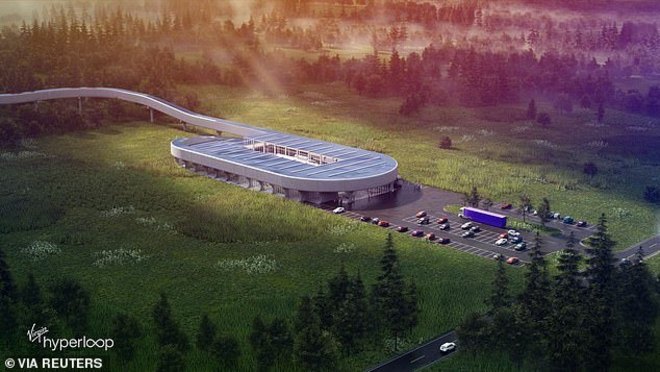
Segundo uma matéria publicada na Reuters no mês passado, a empresa escolheu o estado americano de West Virginia para hospedar um centro de certificação de U$ 500 milhões (cerca de R$ 2,7 bilhões na cotação atual do dólar) e uma pista de testes que servirá como campo de provas para sua tecnologia


Este texto foi publicado primeiro em http://noticias.r7.com/tecnologia-e-ciencia/fotos/trem-que-pode-chegar-a-mais-de-1000-kmh-e-testado-com-sucesso-09112020

Via RSS publicado em https://vitorolig.tumblr.com/post/634350235364311040

Postagens mais visitadas deste blog

Duke Kahanamoku reflects on surfing, Olympics, and old Hawaii in 1966 interview

Duke Kahanamoku is the most influential surfer of all time and is often hailed as the father of modern surfing. There is nearly no one questioning these titles. Recently, Public Broadcasting Service (PBS) Hawaii unveiled a never-before-seen interview with the legendary surfer and Olympic swimmer. In the 1966 episode of Pau Hana Years, a seminal Hawaii television program that aired on KHET-TV (now PBS Hawaii) for 16 years, running from 1966 until 1982, Bob Barker chats with Duke Kahanamoku, then 76. The conversation drifts from royal ancestry to Olympic lanes, from Hollywood sets to a surfboard shaped by hand, tracing the outline of a life that helped define modern surfing and Hawaii's public image in the 20th century. And if you know little about the man who dreamed of getting surfing into the Olympic Games, this is a precious piece of history. A name with history, worn casually The interview starts with Kahanamoku explaining that "Duke" is not a title but his giv...

The hydrodynamics of surfboard fins

Have you ever wondered why a surfboard fin looks like that? It is a single or a set of fixed blades or keels located under a board, near the tail, often no bigger than a hand. Yet that small surface is where much of the surfboard's behavior takes place. Speed, hold, looseness, and the feeling of control all trace back to how water moves around fins. The physics of surfboard fins falls under hydrodynamics, the study of how fluids behave in motion. So, according to science, they feature a shape designed to turn flowing water into several forces. Let's take a look at what's at stake when fins and water interact. Lift and the feeling of control One of the key variables in hydrodynamic terms involving surfboard fins is lift. When a surfer leans into a turn, the board tilts and the fins meet the water at an angle. The angle is enough to create a pressure difference between the two sides of the fin. Water speeds up on one side and slows on the other. The result is a sidewa...

How paddleboarding transforms your body and mind

Adventure is on our doorstep. With so many different bodies of water available to paddleboarders, from city canals to coastal routes, we can find adventure in places much closer to home than people might initially expect. According to the Canal and River Trust, 50 percent of people in England and Wales live within just eight kilometers of a canal or river, and eight million people live less than one kilometer away. I had lived within just a few kilometers of the Leeds and Liverpool Canal for years and never really explored it before stand-up paddleboarding (SUP) came into my life . The challenge created both a new perspective and a deeper love for where I lived and the areas which I passed through. On my coast-to-coast journey, I slept in my own bed for two nights as the route passed through my then hometown of Skipton, yet I felt I was on a grand journey of discovery. We are braver, stronger, and more resilient than we think. SUP not only helps us feel more connected to our va...