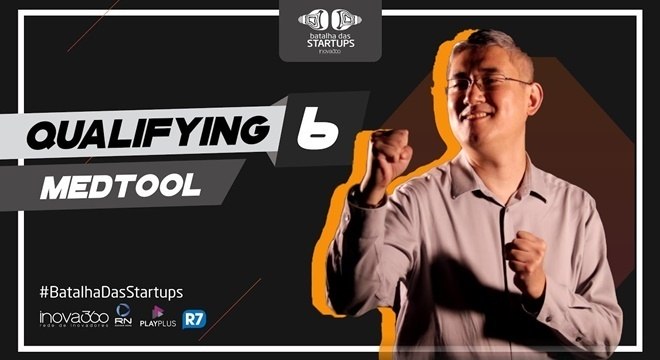
Na última terça-feira (27), o Batalha das Startups, exibido no programa Inova 360 da Record News às 23h45, recebeu o médico endocrinologista Marcos Tadashi Tayoshima, CEO da startup MedTool para mais um episódio da fase Qualifying, onde as empresas são avaliadas e descobrem se estão aptas ou não a irem para a fase de batalhas.
Dando mais detalhes sobre sua trajetória de vida, Tadashi contou que se formou em medicina na Universidade de São Paulo (USP) e em seguida fez residência no Hospital das Clínicas, onde sentiu a necessidade de melhorar o processo de cuidado dos pacientes de uma forma automatizada.
+ Reality show Batalha das Startups faz maratona de lives, o BDS Talk
+ Techsocial: a importância da tecnologia aliada à sustentabilidade
Segundo o médico, ele foi apresentado ao termo startup justamente ao entrar de cabeça no seu projeto, uma solução de gestão de controle glicêmico hospitalar por meio de protocolo digital em pacientes hospitalizados. Ele comprou a ideia do aplicativo para melhorar os hospitais, tanto de São Paulo quanto de outros estados do Brasil.
“Senti uma necessidade de melhorar o processo e a gente criou a empresa, criou o aplicativo pra resolver um problema nosso e com isso todo mundo percebeu que o problema não era do HC (Hospital das Clínicas), era um problema de vários outros hospitais, aí a gente foi apresentado a startup. Até então eu não sabia nem o que significava isso”, explicou Marcos Tadashi durante o Batalha das Startups.
Dando mais detalhes sobre o aplicativo, o médico completou: “O InsulinAPP é uma solução de gestão de controle glicêmico hospitalar por meio de protocolo digital em pacientes hospitalizados em enfermarias e unidades de terapia intensiva, auxiliando especialmente médicos não especialistas em diabetes mellitus”.
“A solução permite fazer a avaliação inicial do paciente diabético, acompanhamento na prescrição de novas doses de insulina, apoio na decisão de alta hospitalar. Além disso na UTI, ajuda no procedimento de transição da insulinoterapia”, finalizou Marcos Tadashi, participante do Batalha das Startups, da Record News.
Problemas encontrados durante o Batalha das Startups precisam ser resolvidos
Diante das conversas que teve com os profissionais ao adentrar no Inova Hub, Marcos Tadashi foi surpreendido com algumas dificuldades a serem enfrentadas antes de subir no ringue e descobrir se irá para a fase de batalhas do Batalha das Startups ou voltará para a casa ainda no início.
+ Vamos Parcelar: uma fintech que revoluciona o mercado de pagamentos
+ Conheça a maior holding de tecnologia blockchain da América Latina
Jorge Iazigi, da área financeira, se surpreendeu ao falar com o CEO da empresa, por descobrir que diante de alguns anos em que a MedTool está no mercado, a startup não obteve nenhum faturamento.
Ao fim, mesmo sem conseguir conquistar totalmente os mentores do Batalha das Startups, o médico recebeu um voto de confiança, já que os mentores acreditam que o produto possa ir longe. Tayoshima recebeu uma avaliação do jurado Alexandre França, diretor geral da Aspen Pharma Brasil, mas o resultado final só será divulgado no dia 6 de novembro. Até lá, você pode interagir com a gente tanto nas redes sociais do reality show quanto nas do programa Inova 360, da Record News.
Instagram Batalha das Startups
Este texto foi publicado primeiro em http://noticias.r7.com/tecnologia-e-ciencia/programa-inova-360/medtool-e-a-sexta-empresa-a-participar-do-batalha-das-startups-28102020
Via RSS publicado em https://vitorolig.tumblr.com/post/633289439084511232