Pular para o conteúdo principal

Planeta perdeu 68% dos animais selvagens em 46 anos, diz estudo

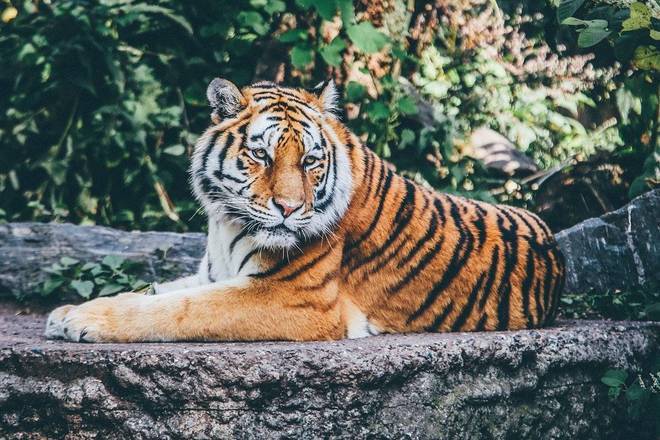
Populações de animais selvagens estão em “queda livre” desde 1970 anos, apontou um novo relatório da WWF (Fundo Mundial para a Natureza), divulgado na quinta-feira (10). Segundo a ONG, as populações globais de mamíferos, pássaros, anfíbios, répteis e peixes sofreram uma taxa de declínio de dois terços nos números de indivíduos
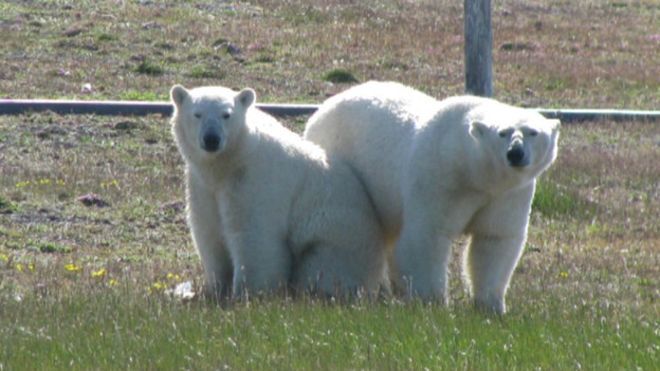
O Living Planet Report 2020 apontou ainda que mudanças no uso do solo e tráfico de animais selvagens, podem deixar o planeta mais vulnerável à novas pandemias
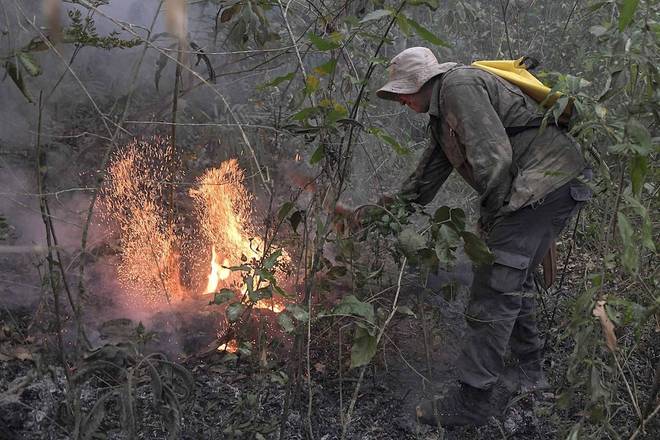
Na América Latina a situação é apontada como especialmente crítica, com perdas de mais de 90% das populações de peixes, anfíbios e répteis
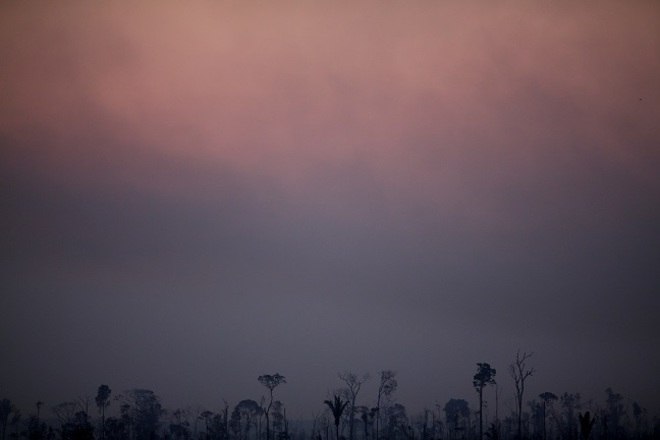
O relatório, produzido em parceria com a Sociedade de Zoologia de Londres, apontou ainda que cerca de 75% do solo e 40% dos oceanos foram degradados pela ação humana

LEIA TAMBÉM: Gráfico mostra a popularidade dos navegadores nos últimos 25 anos
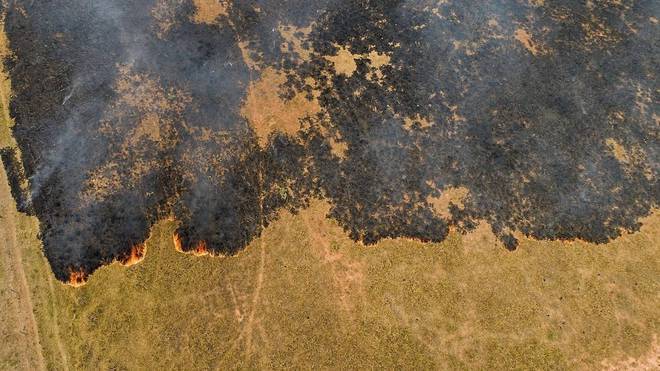
Os principais vilões apontados pelo estudo foram a expansão da produção de carne bovina, e monoculturas, como soja e óleo de palma
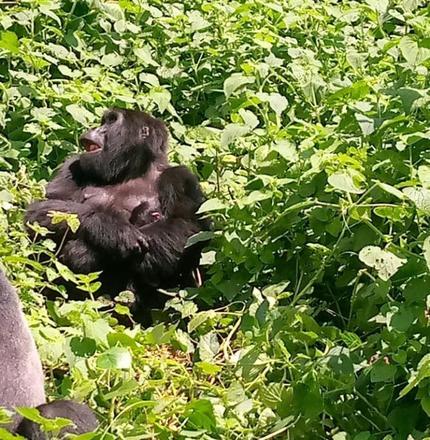
“O estudo destaca como a crescente destruição da natureza pela humanidade gera impactos catastróficos não apenas nas populações de vida selvagem, mas também na saúde humana e em todos os aspectos de nossas vidas”, disse Marco Lambertini, diretor-geral da WWF

VALE SEU CLIQUE: Tsar Bomba: Rússia divulga imagens do maior teste nuclear da história
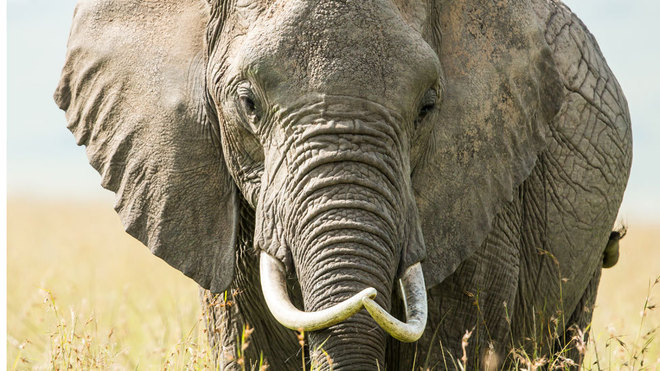
O estudo também apontou declínios alarmantes de algumas espécies. Populações de elefantes africanos diminuíram 98% entre 1985 e 2010, muito por causa do crescimento da caça em regiões do continente africano
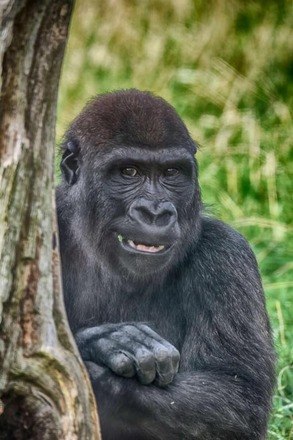
A caça ilegal também vitimou 87% da população de gorilas em reservas orientais da República Democrática do Congo, entre 1994 e 2015
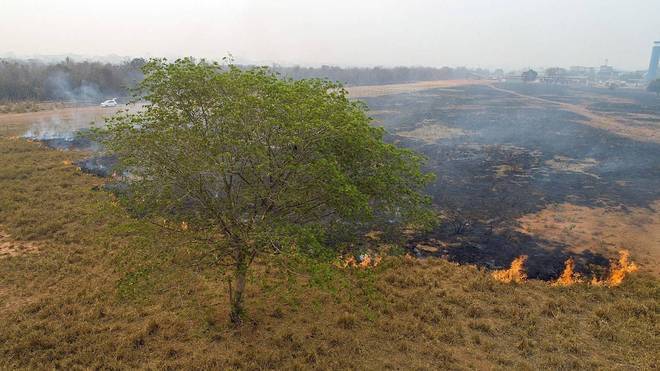
Para chegar aos números, o relatório rastreou 21.000 populações de 4.000 espécies de vertebrados

NÃO PERCA: Telescópio Hubble observa pela primeira vez um eclipse lunar total
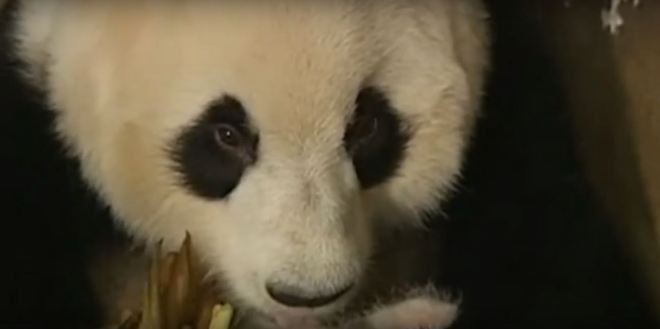
Foi levado em conta a diminuição da quantidade de indivíduos dessas populações, e não a extinção de espécies
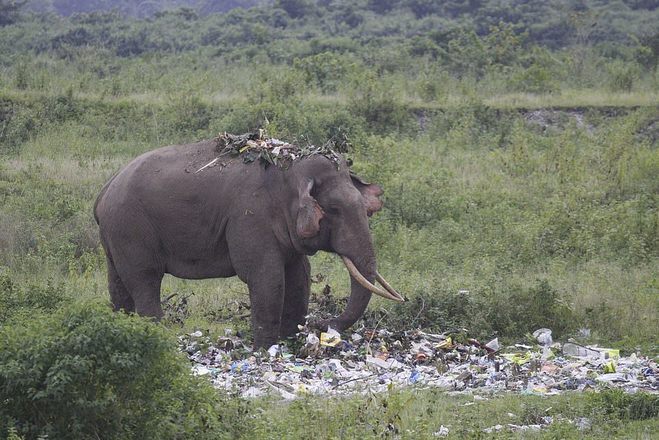
As crescentes mudanças climáticas e o despejo indiscriminado de lixo em locais de natureza também acentuam a queda de populações selvagens
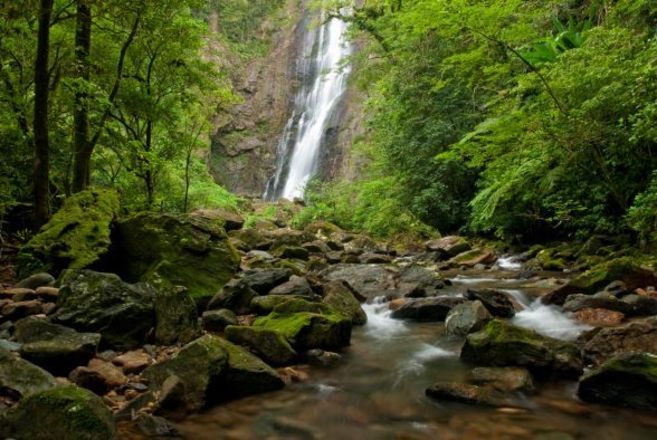
A WWF sugeriu a tomada de ações urgentes e ousadas para reverter esse quadro global até 2030, embora reconheça que não será fácil. "Nossa própria sobrevivência depende cada vez mais disso”, completou Lambertini

NÃO VÁ EMBORA: Hora de dar adeus: Microsoft marca data para o fim do Internet Explorer


Este texto foi publicado primeiro em http://noticias.r7.com/tecnologia-e-ciencia/fotos/planeta-perdeu-68-dos-animais-selvagens-em-46-anos-diz-estudo-11092020

Via RSS publicado em https://vitorolig.tumblr.com/post/628978525262741504

Postagens mais visitadas deste blog

Duke Kahanamoku reflects on surfing, Olympics, and old Hawaii in 1966 interview

Duke Kahanamoku is the most influential surfer of all time and is often hailed as the father of modern surfing. There is nearly no one questioning these titles. Recently, Public Broadcasting Service (PBS) Hawaii unveiled a never-before-seen interview with the legendary surfer and Olympic swimmer. In the 1966 episode of Pau Hana Years, a seminal Hawaii television program that aired on KHET-TV (now PBS Hawaii) for 16 years, running from 1966 until 1982, Bob Barker chats with Duke Kahanamoku, then 76. The conversation drifts from royal ancestry to Olympic lanes, from Hollywood sets to a surfboard shaped by hand, tracing the outline of a life that helped define modern surfing and Hawaii's public image in the 20th century. And if you know little about the man who dreamed of getting surfing into the Olympic Games, this is a precious piece of history. A name with history, worn casually The interview starts with Kahanamoku explaining that "Duke" is not a title but his giv...

The hydrodynamics of surfboard fins

Have you ever wondered why a surfboard fin looks like that? It is a single or a set of fixed blades or keels located under a board, near the tail, often no bigger than a hand. Yet that small surface is where much of the surfboard's behavior takes place. Speed, hold, looseness, and the feeling of control all trace back to how water moves around fins. The physics of surfboard fins falls under hydrodynamics, the study of how fluids behave in motion. So, according to science, they feature a shape designed to turn flowing water into several forces. Let's take a look at what's at stake when fins and water interact. Lift and the feeling of control One of the key variables in hydrodynamic terms involving surfboard fins is lift. When a surfer leans into a turn, the board tilts and the fins meet the water at an angle. The angle is enough to create a pressure difference between the two sides of the fin. Water speeds up on one side and slows on the other. The result is a sidewa...

How paddleboarding transforms your body and mind

Adventure is on our doorstep. With so many different bodies of water available to paddleboarders, from city canals to coastal routes, we can find adventure in places much closer to home than people might initially expect. According to the Canal and River Trust, 50 percent of people in England and Wales live within just eight kilometers of a canal or river, and eight million people live less than one kilometer away. I had lived within just a few kilometers of the Leeds and Liverpool Canal for years and never really explored it before stand-up paddleboarding (SUP) came into my life . The challenge created both a new perspective and a deeper love for where I lived and the areas which I passed through. On my coast-to-coast journey, I slept in my own bed for two nights as the route passed through my then hometown of Skipton, yet I felt I was on a grand journey of discovery. We are braver, stronger, and more resilient than we think. SUP not only helps us feel more connected to our va...