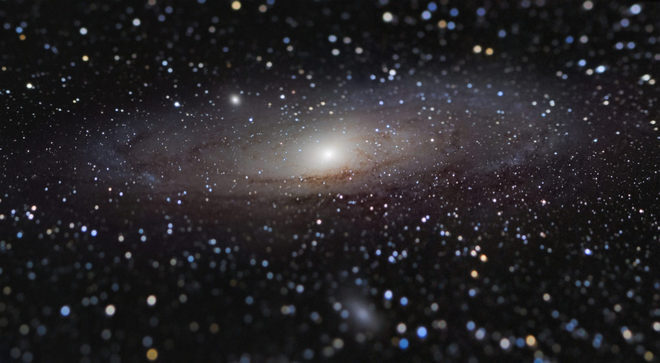
A foto acima, que retrata a galáxia Andrômeda – a mais próxima da Via Láctea – foi a vencedora geral do 12º Insight Investment Astronomy Photographer of the Year e rendeu ao fotógrafo francês Nicolas Lefaudeux o prêmio de 10 mil libras (aproximadamente R$ 68 mil). Anualmente, o concurso, administrado pelo Royal Observatory Greenwich em associação com a BBC Sky at Night Magazine e a Insight Investment, seleciona as melhores astrofotografias do ano, separadas em 12 categorias. Veja as demais fotos campeãs da edição de 2020
*Estagiária do R7 sob supervisão de Filipe Siqueira
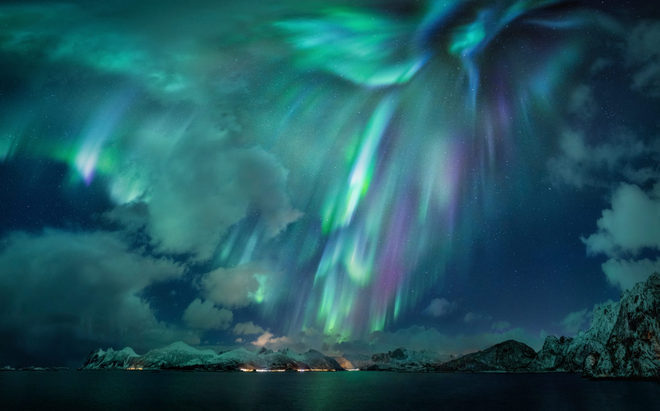
Na categoria “Aurora”, venceu uma foto batizada de “Dama verde”, capturada na Noruega pelo fotógrafo alemão Nicholas Roemmelt. O nome foi atribuído em decorrência das luzes que brilham em verde, azul e rosa, revelando uma figura oculta
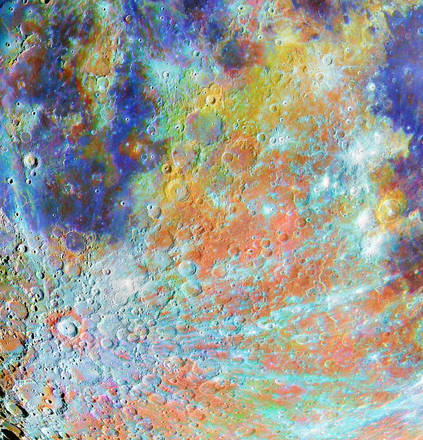
A foto do francês Allain Paillou, que conseguiu capturar as cores ocultas da cratera de Tycho, na lua foi a ganhadora na categoria “Nossa Lua”. As áreas azuladas e avermelhadas se devem a abundância em óxido de titânio e óxido de ferro, respectivamente
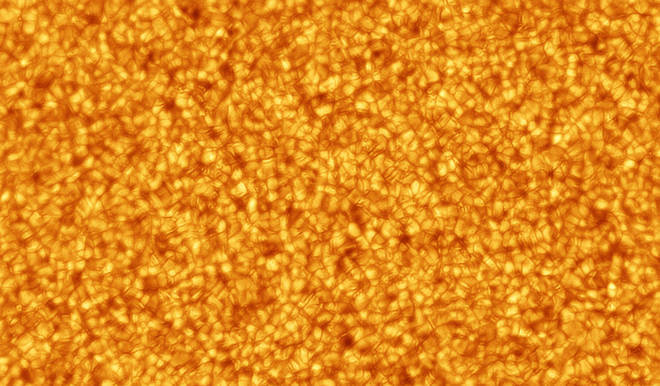
Campeã na categoria “Sol”, a foto capturada pela fotógrafa britânica Alexandra Hart proporciona uma visão incrivelmente detalhada da superfície do Sol, vista durante seu mínimo solar (momento em que as atividades solares diminuem). Cada uma dessas células vistas na foto mede cerca de 1.000 km de diâmetro
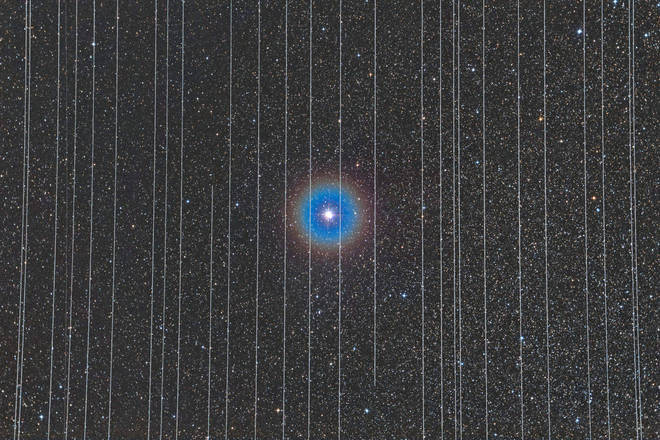
Capturada pelo fotógrafo húngaro Rafael Schamll, a foto vencedora na categoria “Pessoas e espaço” recebeu o nome de “A prisão da tecnologia”. O triste retrato contempla a estrela dupla do Albireo atrás de um conjunto de trilhas de satélite, que aparecem ao tirar fotos de longa exposição, e ilustra perfeitamente como os corpos estão tornando cada vez mais difícil para os fotógrafos e astrônomos contemplarem um céu desobstruído
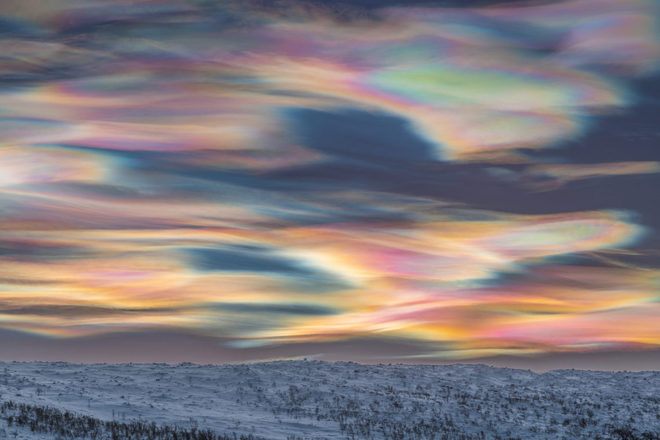
Nuvens estratosféricas polares, vislumbradas pelo fotógrafo Thomas Kast na Lapônia finlandesa, renderam a foto ganhadora na categoria “Skyscape” (“paisagem do céu”, em português). Intitulada “Pintando o céu”, a paisagem realmente parece ter saído de uma pintura de Monet
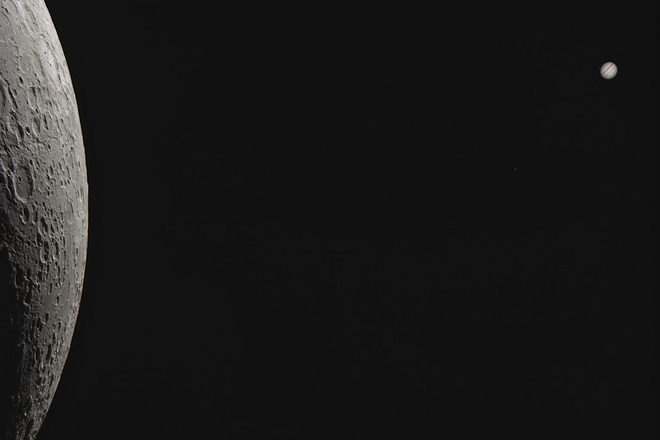
A foto campeã da categoria “Planetas, cometas e asteroides”, capturada pelo fotógrafo polonês Łukasz Sujka, captou um alinhamento incomumente próximo de Júpiter e da Lua, em 31 de outubro de 2019. Sujka afirmou que “queria mostrar o enorme vazio e o tamanho do espaço" e que “é por isso que há muito ‘nada’ entre as duas grandes partes da imagem”
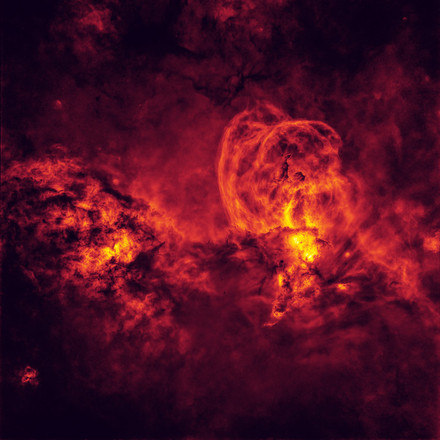
Batizada de “Inferno cósmico”, a foto capturada pelo fotógrafo australiano Peter Ward, vencedora da categoria “Estrelas e nebulosas”, mostra uma visão única, em cores falsas e sem estrelas, da nebulosa NGC 3576. O objetivo de Ward era retratar os incêndios florestais ocorridos na Austrália em 2019 e 2020
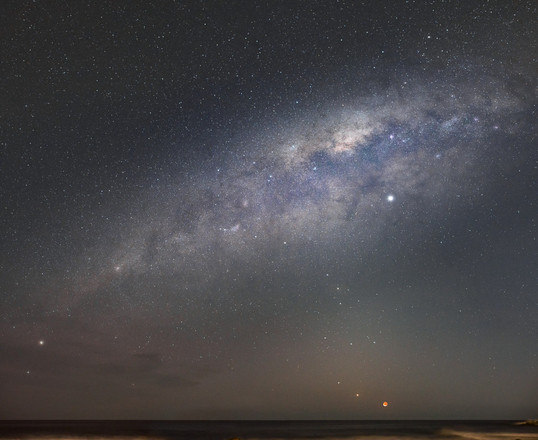
A fotógrafa mirim francesa Alick Fock Hang, 11 anos, ganhou o prêmio principal na categoria “Young competition” (“Competição juvenil”, em português), uma categoria para jovens talentos. O clique mostra a Lua, Vênus, Mercúrio, Júpiter, Saturno e várias estrelas proeminentes acima do Oceano Índico, incluindo a Alpha Centauri, na extrema esquerda, e a Antares, estacionada em frente à galáxia da Via Láctea
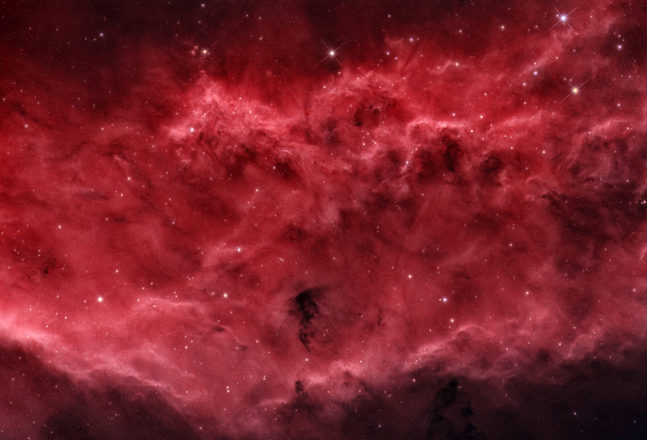
Ao conseguir capturar uma visão notável da Nebulosa da Califórnia, ou NGC 1499, o fotógrafo húngaro Bence Toth se consagrou campeão na categoria “Melhor estreante”. Toth se esforçou ao máximo para preservar as cores originais desta região de formação de estrelas o máximo possível
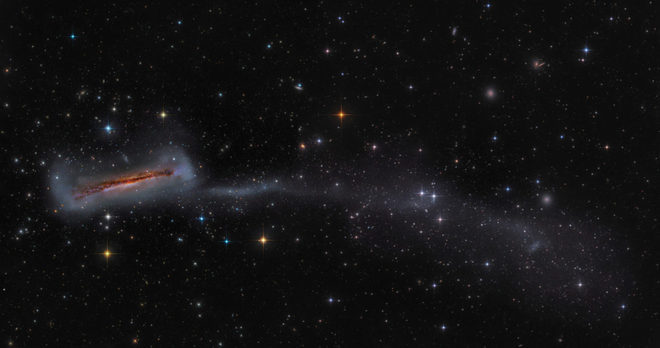
Após cinco anos de exposições – a maioria delas em 2019 –, o fotógrafo americano Mark Hanson conseguiu capturar uma foto da galáxia NGC 3628. O feito lhe rendeu o prêmio na categoria “Galáxias”. Segundo Hanson, seu principal desafio foi mostrar a cauda colossal da galáxia, que mede 300 mil anos-luz de comprimento
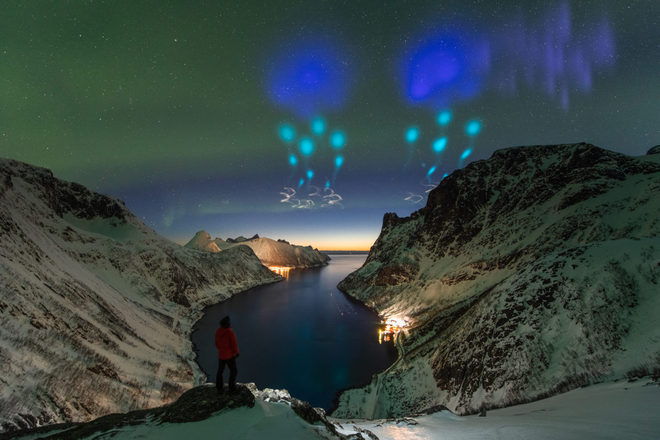
A última categoria, “Pessoas e Espaço”, foi conquistada pela fotógrafa chinesa Yang Sutie. Capturada no Ártico da Noruega, a foto contempla os resquícios brilhantes do Experimento de Rocket Upwelling da Zona Auroral (AZURE), no qual foguetes lançados pelo Centro Espacial Andøya dispersaram traçadores de gás para investigar os ventos de alta atmosfera
Este texto foi publicado primeiro em http://noticias.r7.com/tecnologia-e-ciencia/fotos/concurso-seleciona-as-12-melhores-fotografias-do-espaco-de-2020-17092020
Via RSS publicado em https://vitorolig.tumblr.com/post/629548542266081281