Pular para o conteúdo principal

A corrida da ciência para identificar os males do assustador 'céu laranja'

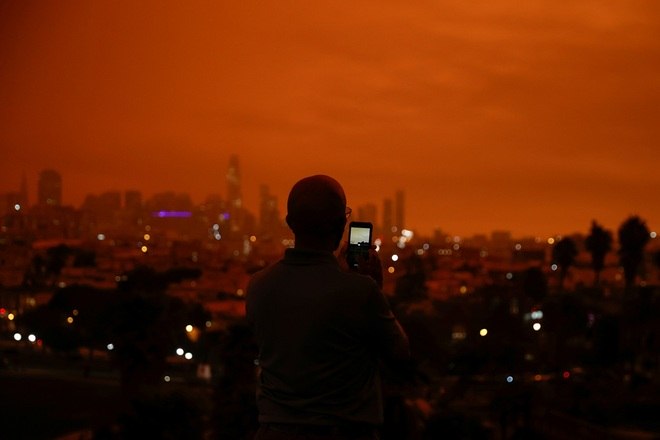
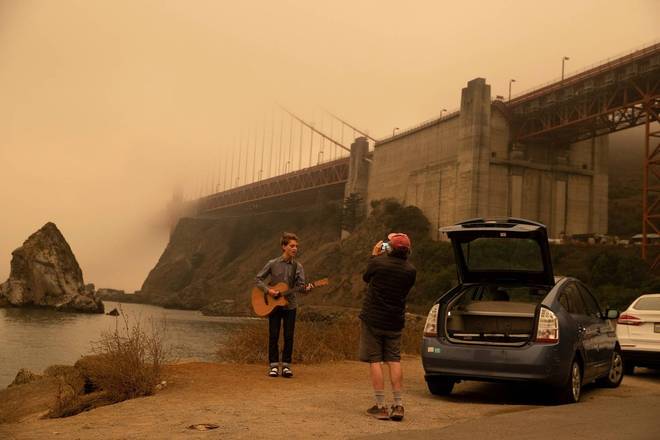
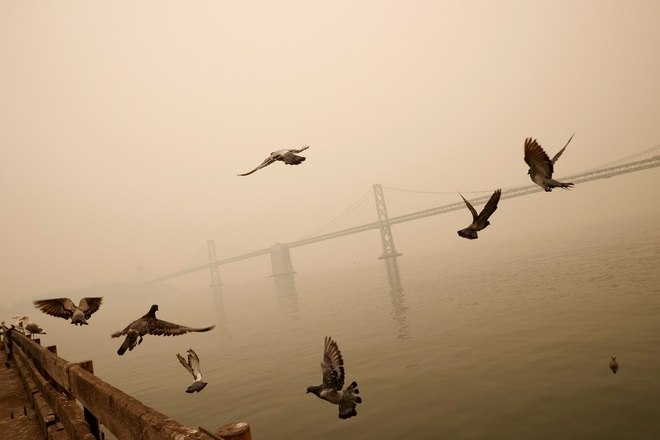
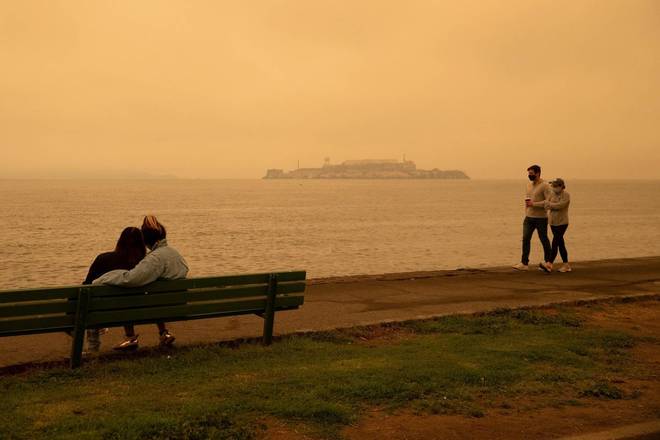
Os gigantescos incêndios na Califórnia, Estados Unidos, deixaram um rastro assustador: os céus de São Francisco se tornaram laranjas. O fato gerou comparações com visões distópicas do futuro, como do recente filme Blade Runner 2049, e também é alvo de uma corrida por parte dos cientistas, que utilizam a cor dos céus como fator para rastrear a origem das chamas e a toxicidade dos detritos no ar
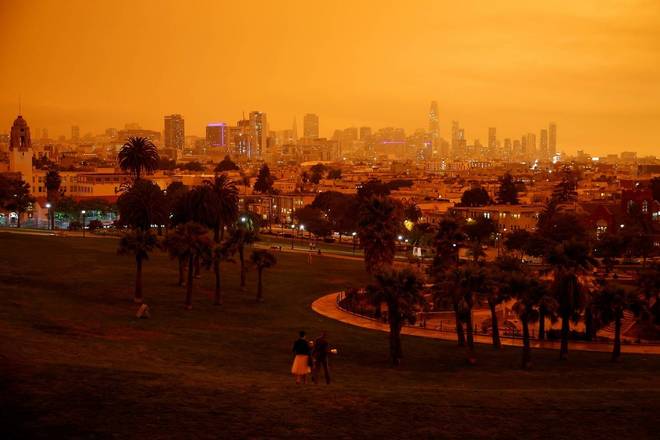
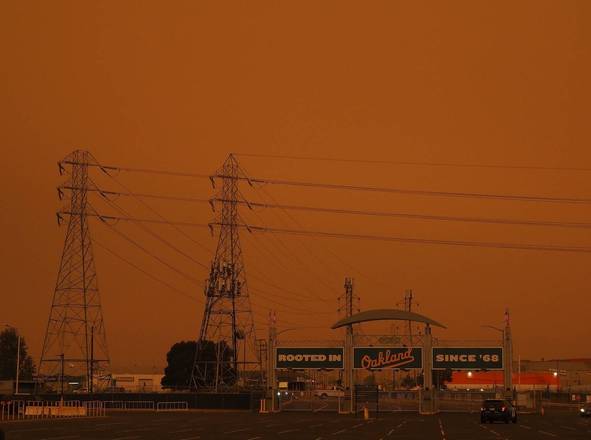
O fenômeno foi visto principalmente nos dias 9 e 10 deste mês, e os tons variavam de sépia pesado para uma cor de ferrugem. Cientistas afirmam que esse céu não é muito diferente do visto em Marte, onde partículas de óxido de ferro filtram a luz que entra na superfície do planeta, dando ao céu um tom de avermelhado
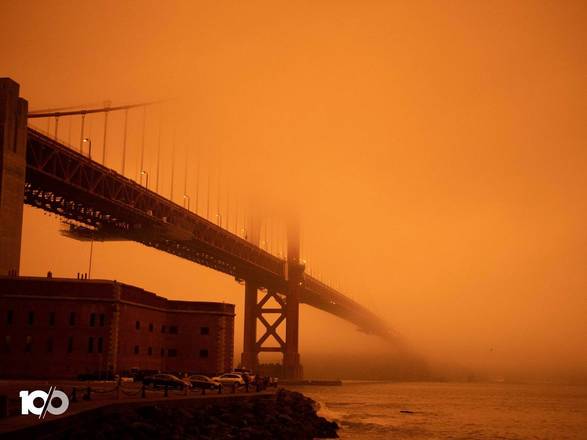
Na Califórnia, assolada por grandes incêndios, um fenômeno parecido com o marciano pode ser observado. A diferença é que não são partículas ferrosas, e sim as cinzas dos incêndios que absorvem a luz do Sol e “devolvem” uma luz de diferentes tons, mas geralmente puxada para o laranja
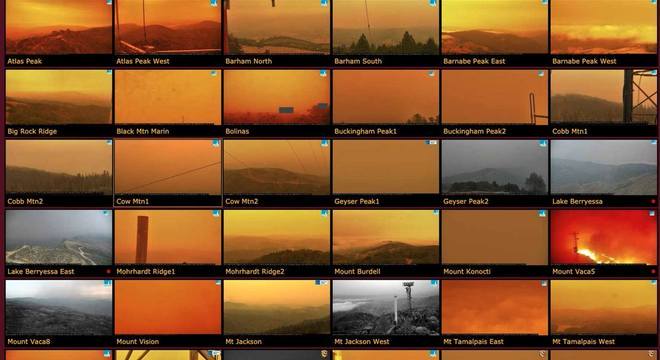
Um conjunto de cientistas de três universidades locais (Universidade de Nevada, Reno; Universidade da Califórnia em San Diego; e Universidade de Oregon) operam uma série de webcams que monitoram os céus e o deslocamento de fumaça em diversos locais do estado

LEIA TAMBÉM: Orcas estão atacando barcos na Espanha e ninguém sabe o motivo
O serviço, chamado ALERTWildfire (alertwildfire.org) e em operação desde 2016, utiliza monitoramento visual em tempo real para fazer análises dos locais com mais incêndios e até saber onde os focos iniciaram
Isso ajuda os bombeiros a realocar recursos, avaliar se as técnicas para combater as chamas são adequadas e até avaliar locais para evacuação de moradores
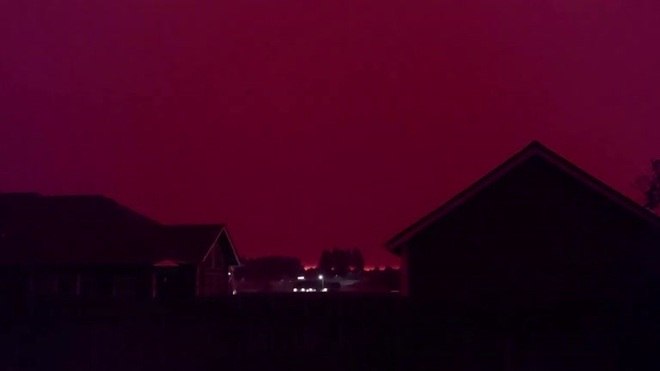
A cor do céu é muito importante, pois é um sinal claro do poder das chamas e da gravidade dos incêndios

VEJA ISSO: Um guia definitivo de como cães e gatos enxergam o mundo
Além disso, usuários podem acessar o serviço e apontar um novo incêndio em um mapa interativo, e dar uma olhada nos vídeos do local em busca de confirmação
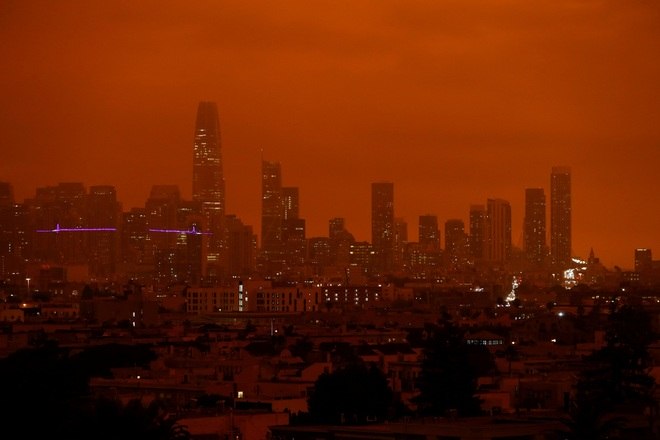
Tais imagens também são lembretes estéticos assustadores da vastidão das mudanças climáticas
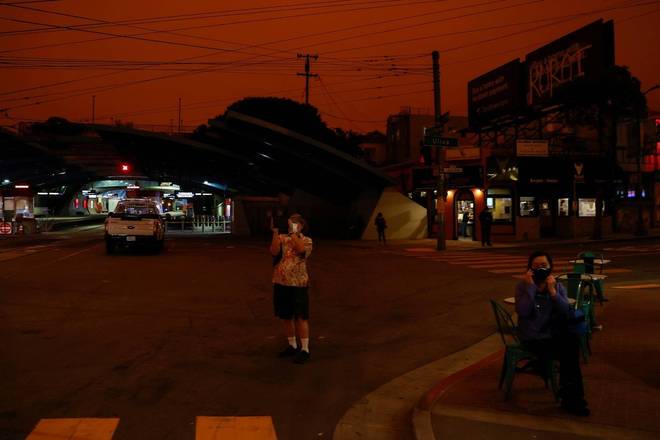
Segundo moradores locais entrevistados pelo site Curbed, a maioria das imagens não faz jus ao cenário assustador da cidade no dia 10. “[Aquele céu] não se parecia com nada que você já viu. Como nada que você gostaria de ver”, escreveu Aaron Bady, autor do texto
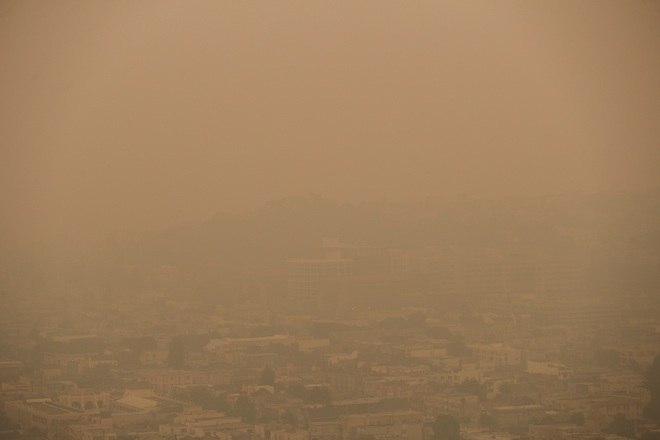
Além de um difícil de respirar, o dia nunca ficou completamente claro, segundo ele, dando um sinal das condições que talvez tenhamos com que nos acostumar no futuro. Enquanto cientistas lutam para entender e identificar todos os males desse fenômeno assustador, os moradores são submetidos a tal momento assustador

VALE O CLIQUE: Planeta perdeu 68% dos animais selvagens em 46 anos, diz estudo


Este texto foi publicado primeiro em http://noticias.r7.com/tecnologia-e-ciencia/fotos/a-corrida-da-ciencia-para-identificar-os-males-do-assustador-ceu-laranja-18092020

Via RSS publicado em https://vitorolig.tumblr.com/post/629650452398604288

Postagens mais visitadas deste blog

Duke Kahanamoku reflects on surfing, Olympics, and old Hawaii in 1966 interview

Duke Kahanamoku is the most influential surfer of all time and is often hailed as the father of modern surfing. There is nearly no one questioning these titles. Recently, Public Broadcasting Service (PBS) Hawaii unveiled a never-before-seen interview with the legendary surfer and Olympic swimmer. In the 1966 episode of Pau Hana Years, a seminal Hawaii television program that aired on KHET-TV (now PBS Hawaii) for 16 years, running from 1966 until 1982, Bob Barker chats with Duke Kahanamoku, then 76. The conversation drifts from royal ancestry to Olympic lanes, from Hollywood sets to a surfboard shaped by hand, tracing the outline of a life that helped define modern surfing and Hawaii's public image in the 20th century. And if you know little about the man who dreamed of getting surfing into the Olympic Games, this is a precious piece of history. A name with history, worn casually The interview starts with Kahanamoku explaining that "Duke" is not a title but his giv...

The hydrodynamics of surfboard fins

Have you ever wondered why a surfboard fin looks like that? It is a single or a set of fixed blades or keels located under a board, near the tail, often no bigger than a hand. Yet that small surface is where much of the surfboard's behavior takes place. Speed, hold, looseness, and the feeling of control all trace back to how water moves around fins. The physics of surfboard fins falls under hydrodynamics, the study of how fluids behave in motion. So, according to science, they feature a shape designed to turn flowing water into several forces. Let's take a look at what's at stake when fins and water interact. Lift and the feeling of control One of the key variables in hydrodynamic terms involving surfboard fins is lift. When a surfer leans into a turn, the board tilts and the fins meet the water at an angle. The angle is enough to create a pressure difference between the two sides of the fin. Water speeds up on one side and slows on the other. The result is a sidewa...

How paddleboarding transforms your body and mind

Adventure is on our doorstep. With so many different bodies of water available to paddleboarders, from city canals to coastal routes, we can find adventure in places much closer to home than people might initially expect. According to the Canal and River Trust, 50 percent of people in England and Wales live within just eight kilometers of a canal or river, and eight million people live less than one kilometer away. I had lived within just a few kilometers of the Leeds and Liverpool Canal for years and never really explored it before stand-up paddleboarding (SUP) came into my life . The challenge created both a new perspective and a deeper love for where I lived and the areas which I passed through. On my coast-to-coast journey, I slept in my own bed for two nights as the route passed through my then hometown of Skipton, yet I felt I was on a grand journey of discovery. We are braver, stronger, and more resilient than we think. SUP not only helps us feel more connected to our va...