Pular para o conteúdo principal

Tsar Bomba: Rússia divulga imagens do maior teste nuclear da história

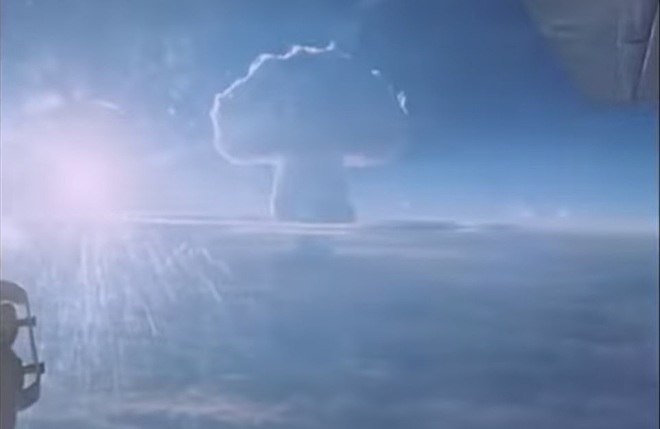
O governo russo, através de sua empresa estatal de energia atômica, a Rosatom, liberou imagens até então secretas do maior teste nuclear da história. Trata-se da Tsar Bomba, um dispositivo nuclear com 57 megatons
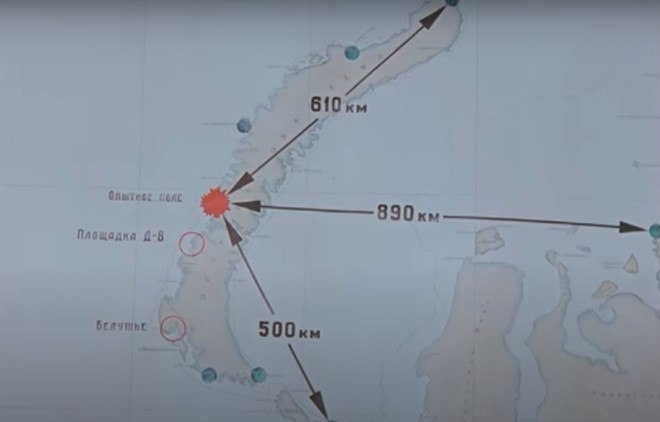
O teste foi realizado em 1961, na ilha Severny, no extremo norte do círculo polar ártico
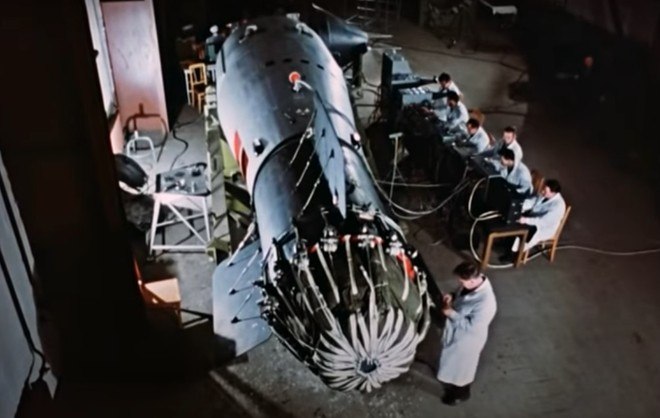
O dispositivo original tinha 57 megatons (equivalente a 57 milhões de toneladas de explosivos convencionais), mas a bomba de teste teve seu poder reduzido para 50 megatons, para evitar a propagação massiva de radiação
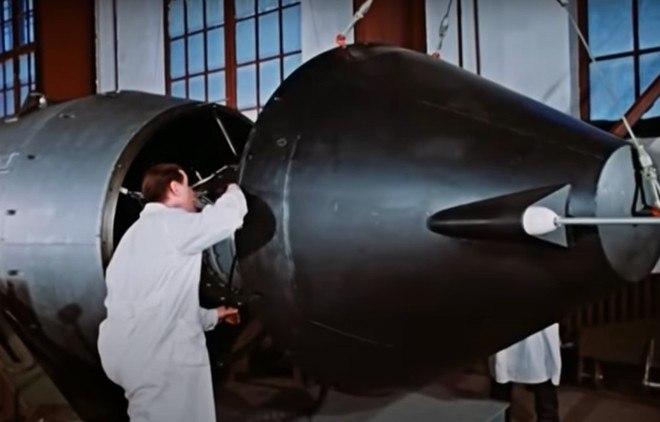
Tal poder de destruição é equivalente a cerca de 3.333 vezes a explosão de Hiroshima

LEIA TAMBÉM: Homem mostra como cabeça de baleia é ‘mole’ e gera polêmica
Também foi duas vezes mais potente que o chamado Teste 219, também realizado pela então União Soviética
A bomba era tão grande e poderosa que não teria utilidade prática numa guerra, mesmo em uma possível III Guerra Mundial
O dispositivo era apenas uma arma de propaganda, algo comum na Guerra Fria, ainda mais nos anos 60, quando EUA e URSS se enfrentava na Crise dos Mísseis Cubanos

VEJA MAIS: Telescópio Hubble observa pela primeira vez um eclipse lunar total
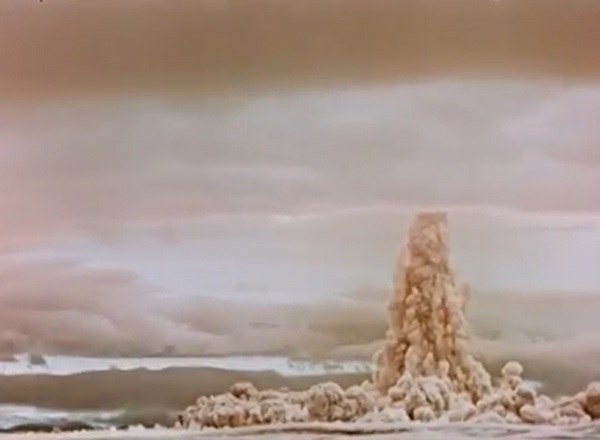
A nuvem atingiu cerca de 65 mil metros de altitude
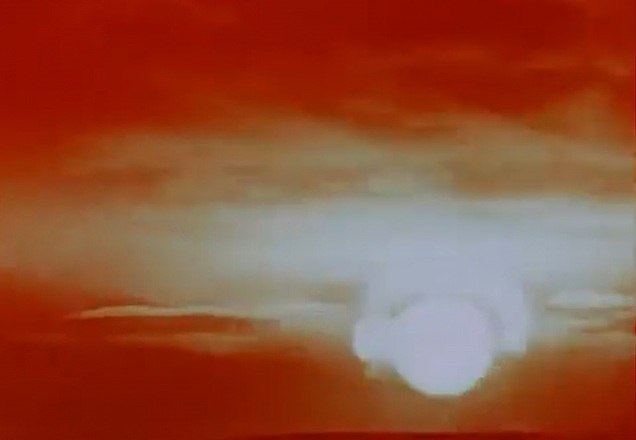
Filmar a explosão, algo fundamental para uma peça de propaganda, também foi um desafio
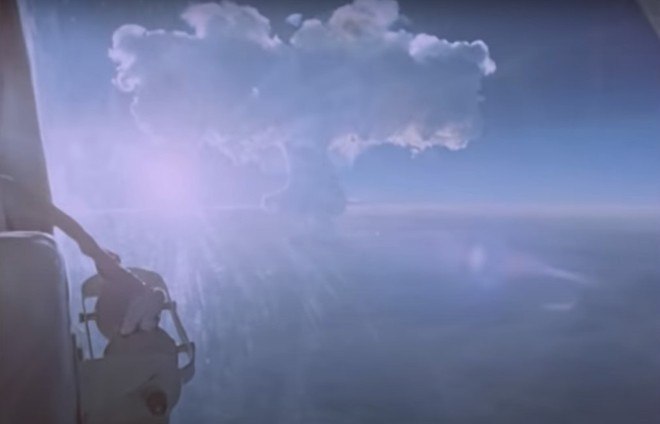
As câmeras foram posicionadas a centenas de quilômetros e tiveram que lidar não apenas com as condições de iluminação árticas, mas também deveriam ser preparadas para não “cegarem” com a luz gerada pela explosão

NÃO PERCA: Por que baratas gostam tanto de entrar em computadores?
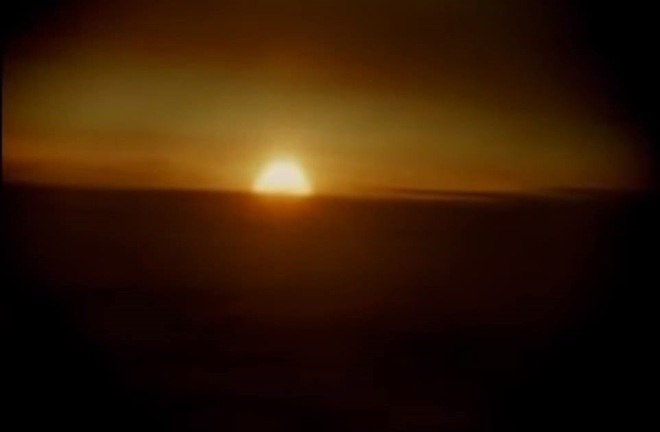
Além disso, um avião a 160 km de distância também fez gravações, principalmente da nuvem subindo (por 40 segundos inteiros) e se dissipando
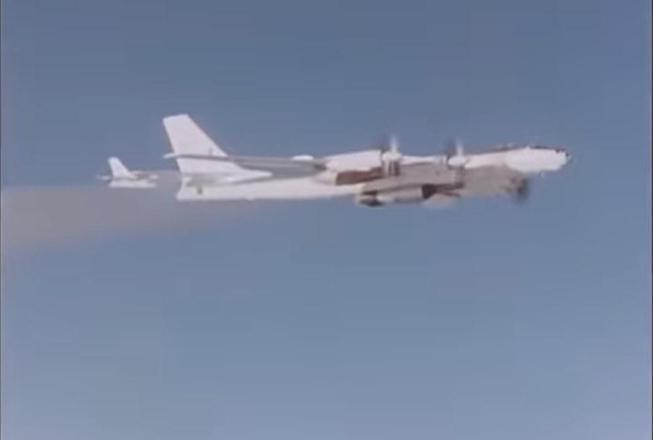
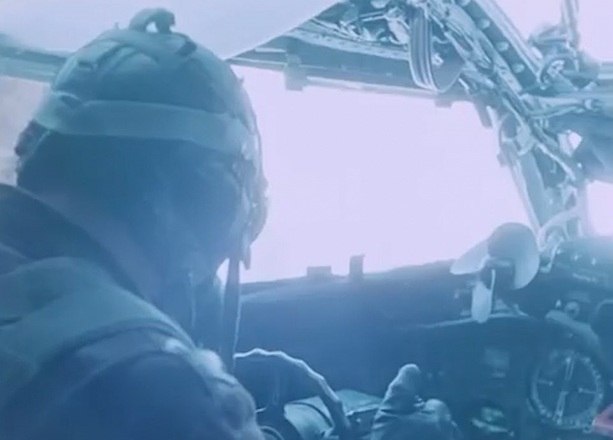
A própria tripulação do avião que transportou a bomba (um bombardeiro Tu-95) correu riscos
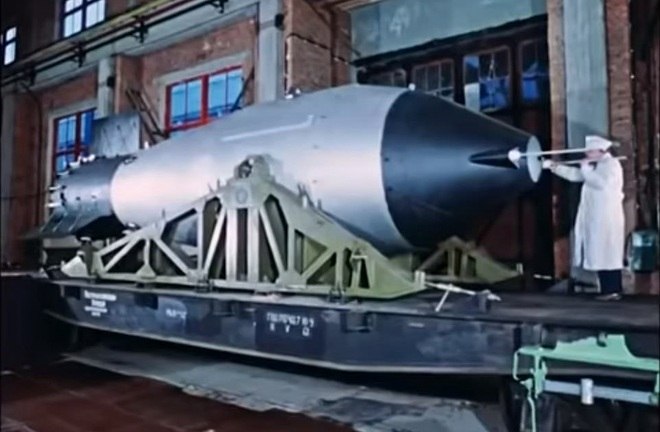
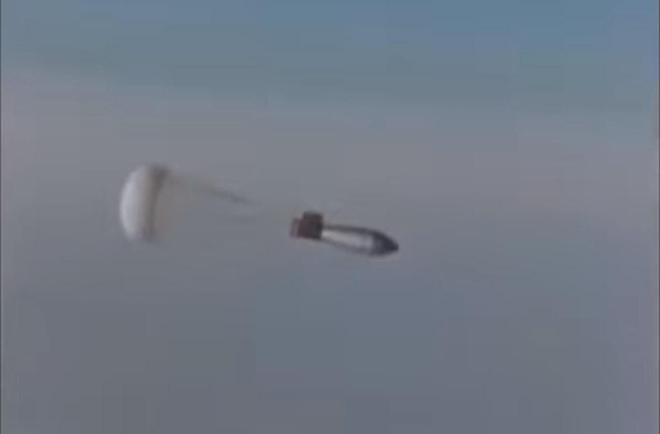
A bomba foi lançada com um paraquedas (só o paraquedas pesava 800 kg), para que o avião conseguisse se distanciar e evitar a morte

VALE SEU CLIQUE: Hora de dar adeus: Microsoft marca data para o fim do Internet Explorer
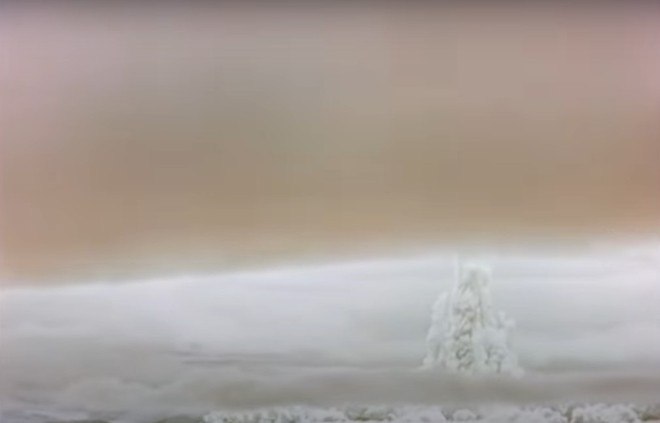
Ao contrário de outras bombas, ela explodiu no ar, a cerca de 4.000 m de altitude da superfície
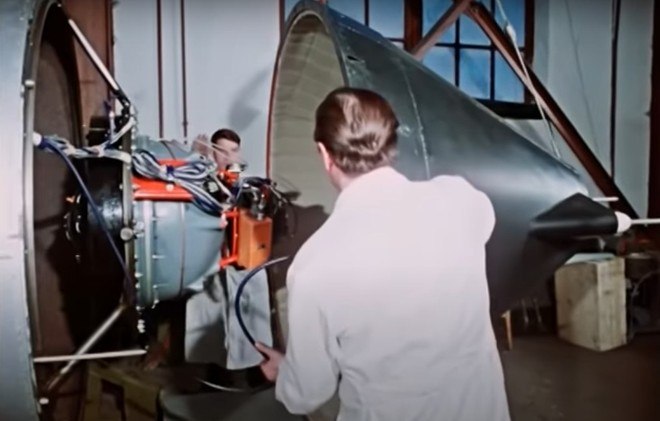
Quem estivesse a até 100 km de distância teria queimaduras de terceiro grau em todo corpo por causa do calor gerado pela explosão — é possível ver o vídeo completo no YouTube
O plano original era de um teste com 100 megatons, mas as autoridades desistiram rápido da ideia, uma vez que os pilotos do avião certamente morreriam e que tal teste causaria um desastre nuclear de proporções desconhecidas

CONTINUE POR AQUI: Cientistas treinam cães para detectar coronavírus pelo cheiro


Este texto foi publicado primeiro em http://noticias.r7.com/tecnologia-e-ciencia/fotos/tsar-bomba-russia-divulga-imagens-do-maior-teste-nuclear-da-historia-27082020

Via RSS publicado em https://vitorolig.tumblr.com/post/627593168283729920

Postagens mais visitadas deste blog

Duke Kahanamoku reflects on surfing, Olympics, and old Hawaii in 1966 interview

Duke Kahanamoku is the most influential surfer of all time and is often hailed as the father of modern surfing. There is nearly no one questioning these titles. Recently, Public Broadcasting Service (PBS) Hawaii unveiled a never-before-seen interview with the legendary surfer and Olympic swimmer. In the 1966 episode of Pau Hana Years, a seminal Hawaii television program that aired on KHET-TV (now PBS Hawaii) for 16 years, running from 1966 until 1982, Bob Barker chats with Duke Kahanamoku, then 76. The conversation drifts from royal ancestry to Olympic lanes, from Hollywood sets to a surfboard shaped by hand, tracing the outline of a life that helped define modern surfing and Hawaii's public image in the 20th century. And if you know little about the man who dreamed of getting surfing into the Olympic Games, this is a precious piece of history. A name with history, worn casually The interview starts with Kahanamoku explaining that "Duke" is not a title but his giv...

The hydrodynamics of surfboard fins

Have you ever wondered why a surfboard fin looks like that? It is a single or a set of fixed blades or keels located under a board, near the tail, often no bigger than a hand. Yet that small surface is where much of the surfboard's behavior takes place. Speed, hold, looseness, and the feeling of control all trace back to how water moves around fins. The physics of surfboard fins falls under hydrodynamics, the study of how fluids behave in motion. So, according to science, they feature a shape designed to turn flowing water into several forces. Let's take a look at what's at stake when fins and water interact. Lift and the feeling of control One of the key variables in hydrodynamic terms involving surfboard fins is lift. When a surfer leans into a turn, the board tilts and the fins meet the water at an angle. The angle is enough to create a pressure difference between the two sides of the fin. Water speeds up on one side and slows on the other. The result is a sidewa...

How paddleboarding transforms your body and mind

Adventure is on our doorstep. With so many different bodies of water available to paddleboarders, from city canals to coastal routes, we can find adventure in places much closer to home than people might initially expect. According to the Canal and River Trust, 50 percent of people in England and Wales live within just eight kilometers of a canal or river, and eight million people live less than one kilometer away. I had lived within just a few kilometers of the Leeds and Liverpool Canal for years and never really explored it before stand-up paddleboarding (SUP) came into my life . The challenge created both a new perspective and a deeper love for where I lived and the areas which I passed through. On my coast-to-coast journey, I slept in my own bed for two nights as the route passed through my then hometown of Skipton, yet I felt I was on a grand journey of discovery. We are braver, stronger, and more resilient than we think. SUP not only helps us feel more connected to our va...