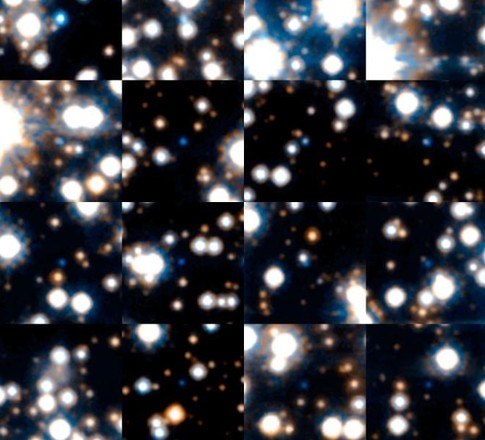
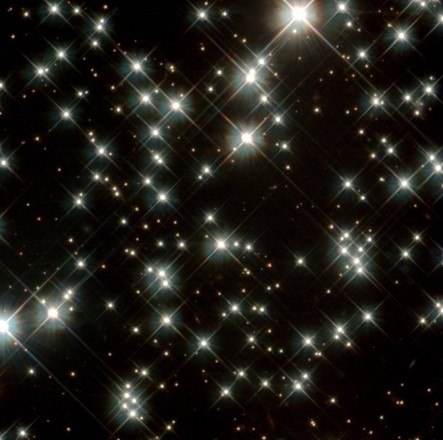
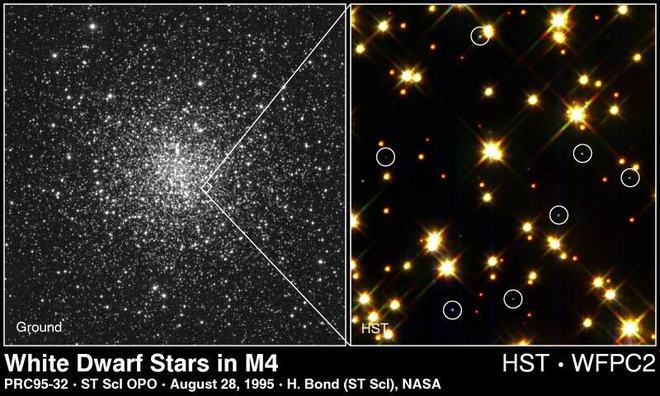
Físicos são pessoas muito especiais. Enquanto tentam entender inteiramente conceitos como “tempo”, unificar teorias da mecânica quântica e a Relatividade Especial, alguns deles olham para o que pode ser o fim do Universo. E se o Universo se extinguir, como muitos físicos apontam, a imagem final captada por telescópios pode ser muito parecida com essa acima — ou uma fração dela
Em primeiro lugar, o fim hipotético do Universo não deveria preocupar você, pois se vier, ainda vai demorar uma quantidade de tempo que nem podemos sequer imaginar
A teoria é que, como o Universo continua a se expandir, cada vez menos energia circulará entre ele. Em um momento hipotético, isso significaria entropia máxima, uma distribuição uniforme de energia, o que impediria a existência de qualquer fenômeno físico, que requer ciclos de calor e energia
A teoria da Morte Térmica do Universo foi proposta inicialmente em 1850, por William Thompson. Com a adição de uma matemática complexa, que não vou fingir aqui que entendi, físicos estimaram que esse evento pode ocorrer em um tempo quase infinitamente longo
LEIA MAIS: Pandemia aumenta incidência de serpentes mortais na Austrália
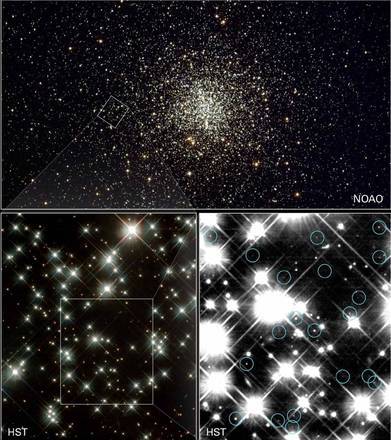
E se esse evento físico ocorrer, as estrelas anãs brancas (essas que você está vendo acima) pode representar um último show de fogos de artifício quando todas as luzes se apagarem. Um estudo de 5 de agosto, publicado no periódico Monthly Notices of the Royal Astronomical Society, especula que essas estrelas podem queimar a energia de seus núcleos até uma eventual “explosão”
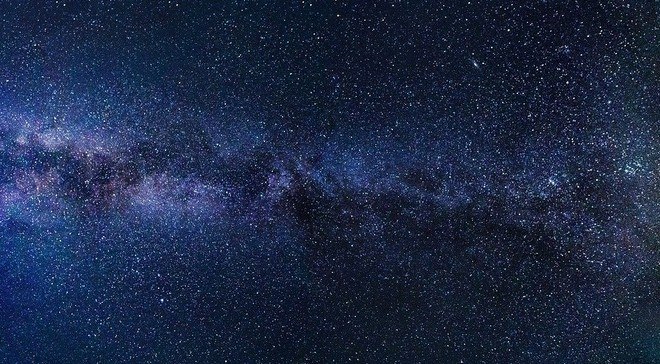
Anãs brancas são objetos cosmológicos tão densos que o gás em seu núcleo se comporta praticamente como uma estrutura sólida. Pelas teorias físicas atuais, anãs brancas irradiam a energia de seus núcleos térmicos até se resfriarem, se tornando anãs negras. Tal fenômeno teórico demora tanto tempo que nunca foi identificado
Mas Matt Caplan, astrofísico autor do estudo da Monthly Notices sugere que mesmo em um universo em seu estado de entropia máxima, essas estrelas ainda poderão explodir, e por isso uma análise da National Geographic fez uma alusão a um show de fogos de artifício, onde muita energia é liberada em um espaço aparentemente inerte
VEJA ISSO: Cientista sueco defende canibalismo como maneira de salvar o planeta
Mas não espere para ver tal coisa. Segundo os cálculos de Caplan, a primeira dessas explosões de anãs brancas só ocorrerá em pelo menos daqui a 10¹¹⁰⁰ anos (ou 1 seguido de 1.100 zeros, um número tão gigantesco que nem faz sentido). Algumas dessas estrelas podem explodir em 10³²⁰⁰ (1 seguido de 32.000 zeros)
Ainda assim, tal fenômeno seria um tanto raro, uma vez que exigiria campos gravitacionais e massas específicas para acontecer. Apenas as mais pesadas (cerca de 1,2 a massa do Sol)
Quando tais eventos ocorrerem, afirma Caplan, o universo estará irreconhecível: as galáxias terão perdido sua estrutura e mesmo os buracos negros mais massivos já terão evaporado e nenhuma vida poderá observar tais fenômenos. Seria como um espasmo após a morte
VEJA TAMBÉM: Cérebros de homens e mulheres são iguais, segundo séculos de pesquisas
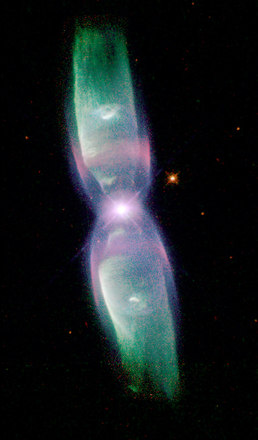
“O Universo será escuro, frio e triste”, afirma Caplan, em entrevista a National Geographic. Eu avisei que físicos são pessoas especiais
NÃO VÁ EMBORA: A história da apresentação de Power Point que matou sete pessoas
Este texto foi publicado primeiro em http://noticias.r7.com/tecnologia-e-ciencia/fotos/estas-explosoes-podem-ser-as-ultimas-apos-o-fim-do-universo-19082020
Via RSS publicado em https://vitorolig.tumblr.com/post/626928767294652416