
Desde o século 19, diversos cientistas buscaram encontrar respostas conclusivas sobre a possibilidade do cérebro de um homem ser diferente do cérebro feminino. Eles até tentaram, mas falharam. Pesquisas recentes apontaram diferenças sutis, mas que nunca chegaram nem perto de provar o que alguns desses pesquisadores queriam: que homens são mais inteligentes

Gustave Le Bon, por exemplo, concluiu que cérebros de homens geralmente são maiores do que os cérebros de mulheres. Essa pesquisou levou outros dois pesquisadores (Alexander Bains e George Romanes), também no século 19, a afirmarem que homens são mais inteligentes. Mas esse dado por si só não quer dizer nada, uma vez que baleias e elefantes possuem cérebros muito maiores que de humanos e nenhum cientista considera essas espécies mais inteligentes
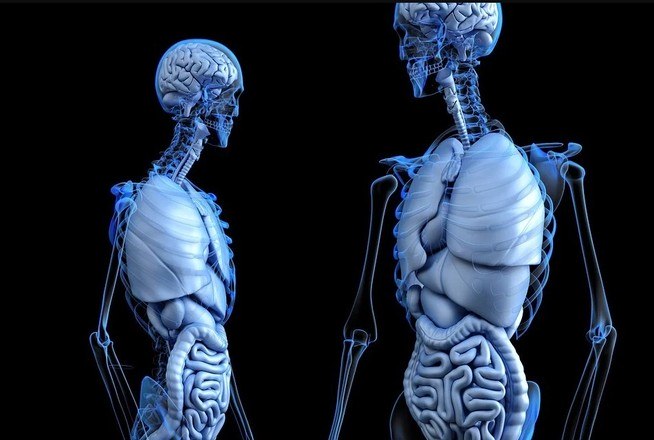
A jornada dessa linha de ciência, claramente machista, passou para medir o tamanho de certas regiões cerebrais. Alguns deles afirmam que o lobo frontal, acima dos olhos, é uma região mais importante para a inteligência. Não é por acaso que essa região é maior entre homens, segundo eles
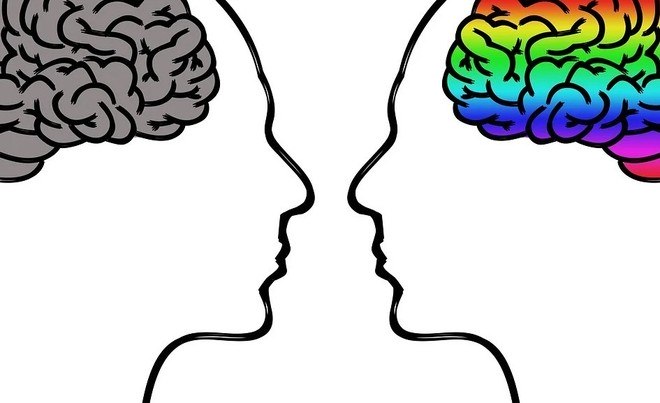
Pesquisas posteriores de neurologistas, como Stephanie Shields, titular de psicologia da Universidade da Pensilvânia, em uma pesquisa publicada em 1975, refutaram essa afirmação, provando que a inteligência não tinha nada a ver com tamanho de pedaços cerebrais
LEIA MAIS: A história da apresentação de Power Point que matou sete pessoas
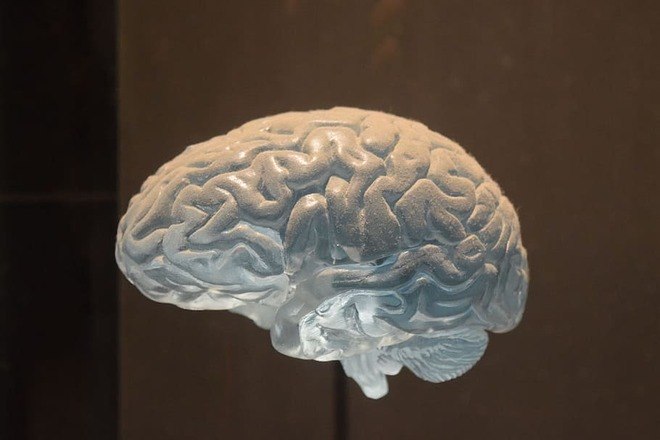
Ari Berkowitz, professor de Neurobiologia da University of Oklahoma, publicou um artigo no site The Conversation exatamente sobre o tema

Segundo ele, as pesquisas por si encontram barreiras até o momento incontornáveis, uma vez que cérebros possuem diversas diferenças entre si, sem nenhuma relação com sexo

Por esse motivo, as pesquisas tendem a ser inconclusivas. Por exemplo: a ciência encontrou diferenças entre tamanhos no hipotálamo de homens e mulheres. Mas a área regula funções reprodutivas e de comportamento, o que não explica os questionamentos sobre diferenças de inteligência
VEJA ISSO: Rumor: WhatsApp funcionará em vários dispositivos ao mesmo tempo
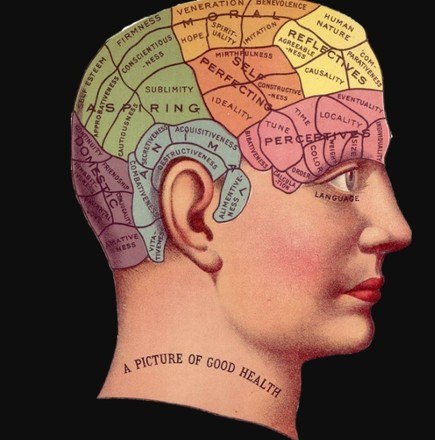
Depois eles tentaram buscar essas respostas na diferença de tamanho dos feixes nervosos do chamado “corpo caloso”, proporcionalmente maior entre mulheres. Mas aí veio o banho de água fria: ele é proporcionalmente maior nas mulheres, porque o cérebro delas é ligeiramente menor. Quando comparados, o corpo caloso dos cérebros de mulheres e homens têm praticamente o mesmo tamanho, aponta Berkowitz
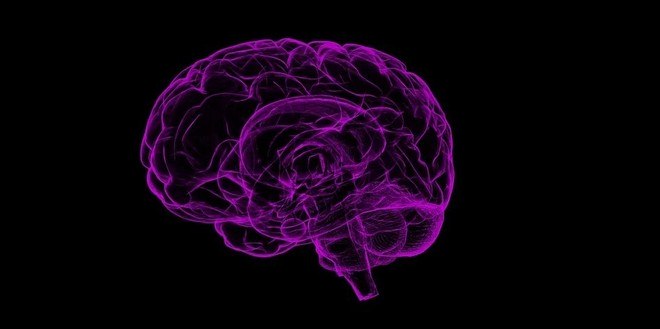
Existem diversos outros fatores que influenciam as medidas cerebrais que o sexo
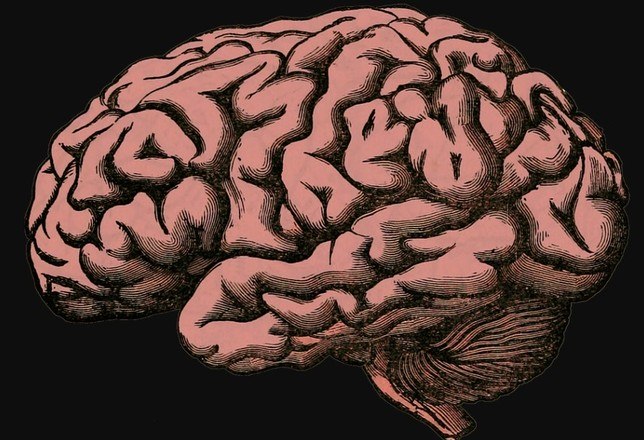
A altura de alguém influencia mais no tamanho cerebral que o sexo dela, afirma Berkowitz
VALE SEU CLIQUE: Veja imagens do retorno dos astronautas da Nasa à Terra
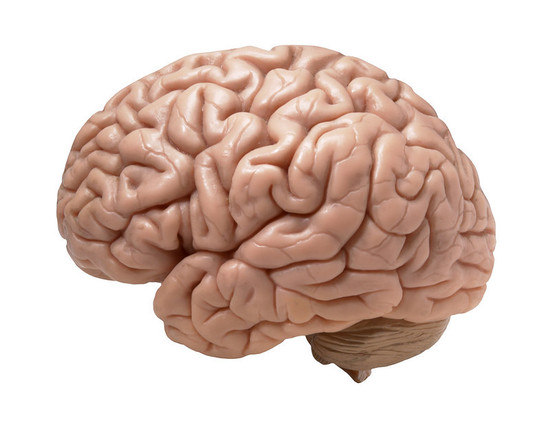
Por exemplo, a neurologistas Daphna Joel e companheiros de pesquisa da Rockefeller University, examinaram (em 2015) minuciosamente 1.400 cérebros em tomografias. Classificando-os de acordo com as tabelas de tamanhos das 10 áreas cerebrais, o grupo concluiu que “de 3% a 6%” dos examinados tinham cérebros consistentemente de homens ou mulheres. O restante variava enormemente
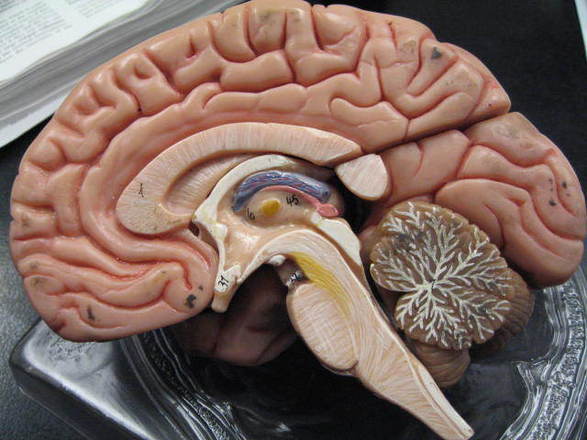
Há ainda outros fatores que influenciam diretamente no tamanho cerebral, como taxas hormonais das grávidas, heranças genéticas e o aprendizado contínuo, ou mesmo atividades físicas. Por exemplo, taxistas possuem o hipocampo (região responsável pela navegação) muito maior do que pessoas que não dirigem
NÃO VÁ EMBORA: Conheça tecnologias que ganharam destaque durante a pandemia
Este texto foi publicado primeiro em http://noticias.r7.com/tecnologia-e-ciencia/fotos/cerebros-de-homens-e-mulheres-sao-iguais-segundo-seculos-de-pesquisas-14082020
Via RSS publicado em https://vitorolig.tumblr.com/post/626415390374936576