Pular para o conteúdo principal

A história da apresentação de Power Point que matou sete pessoas

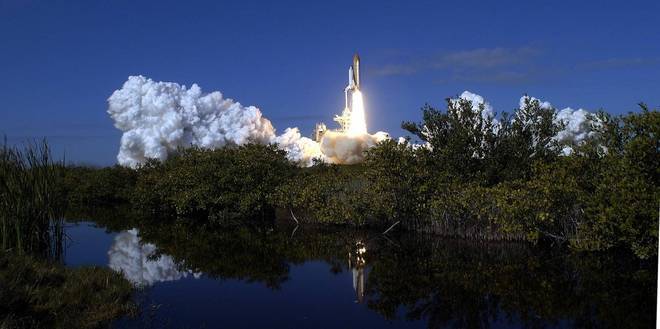
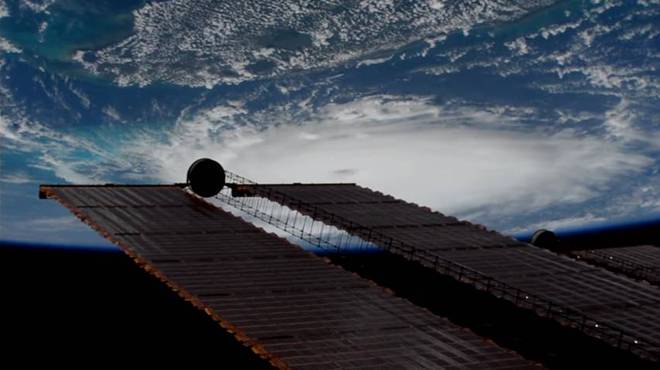
Em 16 de janeiro de 2003, estava em andamento a missão STS-107, da Nasa. A bordo do ônibus espacial Columbia, sete tripulantes foram ao espaço para fazer pesquisas

A ideia era estudar os efeitos da microgravidade no corpo humano, além das formigas e aranhas que estavam a bordo

Na missão, os tripulantes passariam 16 dias em órbita, realizando 80 experimentos ao todo
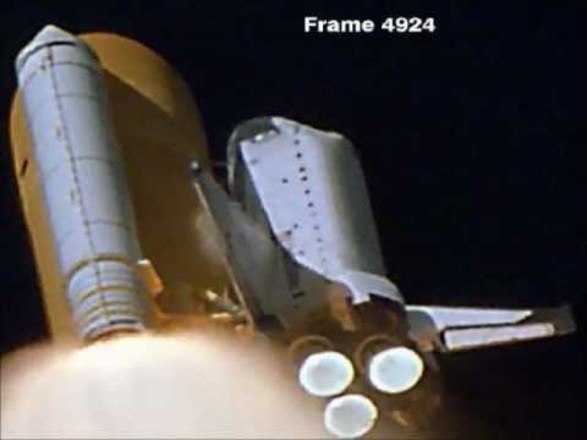
Mas, na Terra, o controle da missão percebera algo errado: uma revisão de imagens de câmeras do lançamento mostrou que um pedaço revestimento do tanque se soltou e bateu na asa esquerda do ônibus espacial, afetando sua proteção térmica

LEIA MAIS: Rumor: WhatsApp funcionará em vários dispositivos ao mesmo tempo

Pelas imagens das câmeras, era impossível saber o quão sério a colisão fora e o grau de risco que um problema térmico poderia causar durante a reentrada do veículo na atmosfera. Isso deixava a missão com algumas alternativas: a) seguir o curso normal, b) enviar um segundo ônibus espacial para resgate, c) pedir para um dos astronautas fazer uma caminhada especial e verificar a avaria
Conversas com engenheiros da Boeing, que projetaram o veículo, geraram um relatório resumido em uma apresentação de Power Point, com 28 slides. O ponto mais importante do relatório era que as condições reais de calor da reentrada eram 600 vezes mais quentes que os testes de laboratório

Em outras palavras, não era possível traçar conclusões baseado na segurança e resultados desses testes com problemas na proteção térmica

VEJA TAMBÉM: Veja imagens do retorno dos astronautas da Nasa à Terra

O slide usado para passar essa informação está acima. A informação sobre condições reais de calor na reentrada do ônibus espacial na atmosfera ficou para a última linha, quase uma nota de rodapé, abaixo de diversos estudos tranquilizadores sobre a resistência das proteções do veículo. 
Os engenheiros da Nasa se convenceram que estava tudo bem após ver a apresentação da Boeing. Eles não sabiam o que aconteceria, mas sentiram que a tripulação não estava em risco
Foi um desleixo fatal. Em 1º de fevereiro de 2003, a data de pouso, os dados de temperatura mostraram um calor anormalmente alto no lado esquerdo da asa

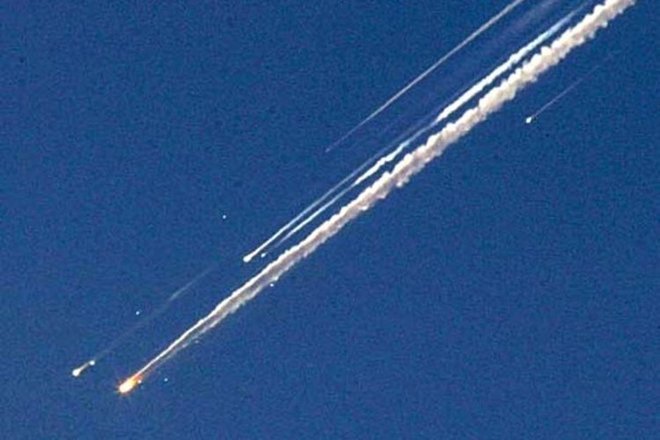
Às 9h13 daquele dia, 4 minutos antes do horário marcado para o pouso, moradores de Dallas relataram que viram o ônibus espacial se desintegrando

Revisões e auditorias posteriores revelaram diversos erros. Edward Tufte, pesquisador de Yale e especialista em comunicação, foi direto ao ponto: segundo ele, grande parte da apresentação apontava para a capacidade dos ladrilhos externos do ônibus de resistirem ao calor

 Todo o alerta para as temperaturas de reentrada foram deixados para o final, como mostrou uma análise publicada no site Mcdreeamie-Musings. O uso de termos vagos e uma má organização dos dados se mostrou fatal

CONTINUE POR AQUI: Conheça tecnologias que ganharam destaque durante a pandemia


Este texto foi publicado primeiro em http://noticias.r7.com/tecnologia-e-ciencia/fotos/a-historia-da-apresentacao-de-power-point-que-matou-sete-pessoas-12082020

Via RSS publicado em https://vitorolig.tumblr.com/post/626253088320274432

Postagens mais visitadas deste blog

Duke Kahanamoku reflects on surfing, Olympics, and old Hawaii in 1966 interview

Duke Kahanamoku is the most influential surfer of all time and is often hailed as the father of modern surfing. There is nearly no one questioning these titles. Recently, Public Broadcasting Service (PBS) Hawaii unveiled a never-before-seen interview with the legendary surfer and Olympic swimmer. In the 1966 episode of Pau Hana Years, a seminal Hawaii television program that aired on KHET-TV (now PBS Hawaii) for 16 years, running from 1966 until 1982, Bob Barker chats with Duke Kahanamoku, then 76. The conversation drifts from royal ancestry to Olympic lanes, from Hollywood sets to a surfboard shaped by hand, tracing the outline of a life that helped define modern surfing and Hawaii's public image in the 20th century. And if you know little about the man who dreamed of getting surfing into the Olympic Games, this is a precious piece of history. A name with history, worn casually The interview starts with Kahanamoku explaining that "Duke" is not a title but his giv...

The hydrodynamics of surfboard fins

Have you ever wondered why a surfboard fin looks like that? It is a single or a set of fixed blades or keels located under a board, near the tail, often no bigger than a hand. Yet that small surface is where much of the surfboard's behavior takes place. Speed, hold, looseness, and the feeling of control all trace back to how water moves around fins. The physics of surfboard fins falls under hydrodynamics, the study of how fluids behave in motion. So, according to science, they feature a shape designed to turn flowing water into several forces. Let's take a look at what's at stake when fins and water interact. Lift and the feeling of control One of the key variables in hydrodynamic terms involving surfboard fins is lift. When a surfer leans into a turn, the board tilts and the fins meet the water at an angle. The angle is enough to create a pressure difference between the two sides of the fin. Water speeds up on one side and slows on the other. The result is a sidewa...

How paddleboarding transforms your body and mind

Adventure is on our doorstep. With so many different bodies of water available to paddleboarders, from city canals to coastal routes, we can find adventure in places much closer to home than people might initially expect. According to the Canal and River Trust, 50 percent of people in England and Wales live within just eight kilometers of a canal or river, and eight million people live less than one kilometer away. I had lived within just a few kilometers of the Leeds and Liverpool Canal for years and never really explored it before stand-up paddleboarding (SUP) came into my life . The challenge created both a new perspective and a deeper love for where I lived and the areas which I passed through. On my coast-to-coast journey, I slept in my own bed for two nights as the route passed through my then hometown of Skipton, yet I felt I was on a grand journey of discovery. We are braver, stronger, and more resilient than we think. SUP not only helps us feel more connected to our va...