Pular para o conteúdo principal

Operadoras de telefonia começam testes no Brasil da tecnologia 5G

Tecnologia 5G oferece internet bem mais rápida
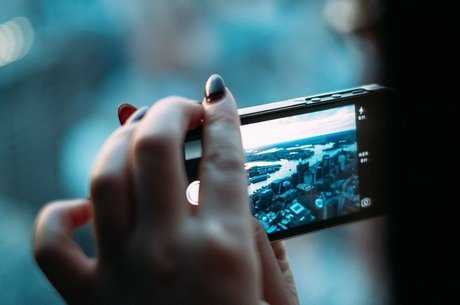
Tecnologia 5G oferece internet bem mais rápida Reprodução / Pixabay

As maiores operadoras do país de telefonia celular iniciaram neste mês de julho o funcionamento, em caráter experimental, da tecnologia de quinta geração (5G) para os aparelhos móveis. Neste primeiro momento, o 5G compartilhará as faixas de transmissão já existentes do 3G e do 4G, com o uso da tecnologia chamada DSS (compartilhamento dinâmico de espectro, na sigla em inglês).

Telefônica, Tim e Claro fazem oferta para comprar serviços da Oi

Isso ocorre porque o leilão do espaço do espectro, destinado exclusivamente ao 5G (a faixa de 3,5GHz), só deverá ocorrer no início de 2021. Com a tecnologia DSS é possível compartilhar, com o 5G, a faixa do 3G e 4G não utilizada. No entanto, como esse espectro não possui uma banda contínua e dedicada, a experiência do 5G ainda não poderá ser utilizada em sua totalidade.

O 5G, em sua máxima potência, deverá oferecer altíssimas velocidades de internet, maior confiabilidade e disponibilidade, além da capacidade para conectar massivamente um número significativo de aparelhos ao mesmo tempo.

Para poder utilizar o serviço, porém, o usuário terá de ter em mãos um aparelho celular que seja compatível com a tecnologia 5G. Hoje, no mercado brasileiro, há apenas um modelo disponível com a tecnologia, o Motorola Edge, com valor acima de R$ 4,9 mil na loja oficial da fabricante.

Locais com cobertura 5G

A operadora Vivo está ativando, no mês de julho, o funcionamento do 5G DSS em oito cidades brasileiras: São Paulo (regiões da Avenida Paulista, Vila Olímpia e Berrini), Brasília (regiões do Eixo Monumental, Esplanada dos Ministérios e shoppings), Belo Horizonte (regiões da Savassi e Afonso Pena), Salvador (regiões da Pituba e Itaigara), Rio de Janeiro (Copacabana, Ipanema e Leblon), Goiânia (região central da cidade), Curitiba (regiões do Centro Cívico/Alto da Glória e Batel/Água Verde), Porto Alegre (regiões do Moinhos de Vento, Avenida Carlos Gomes e Shopping Iguatemi).

Já a o 5G DSS da operadora Claro está disponível inicialmente em São Paulo, desde a última semana, na região da Avenida Paulista e Jardins. Em seguida, vai gradativamente estender-se pelos bairros Campo Belo, Vila Madalena, Pinheiros, Itaim, Moema, Brooklin, Vila Olímpia, Cerqueira César, Paraíso, Ibirapuera, além da região da Avenida Berrini e também de Santo Amaro.

O serviço será instalado também na Central Única das Favelas (CUFA) e no Instituto Pró-Saber SP, ambos na comunidade de Paraisópolis, onde a operadora desenvolve trabalhos sociais.

No Rio de Janeiro, os primeiros pontos de cobertura estarão em Ipanema, Leblon e na Lagoa. Devem se expandir por toda a orla, do Leme até a Barra da Tijuca, passando pelo Jardim Oceânico, Joá, São Conrado e Copacabana.

A cobertura do 5G DSS da operadora TIM terá início em setembro, em três cidades: Bento Gonçalves (RS), Itajubá (MG), e Três Lagoas (MS). Já a Oi informou que está avaliando iniciar a operação comercial da tecnologia 5G no país antes da realização do leilão de frequências. A operadora disse que já instalou experimentalmente a tecnologia 5G no país, de forma pontual, no ano passado, no município de Búzios (RJ) e em grandes eventos, como na Conferência Rio2C, GameXP, Rock in Rio e Comic Con Experience (CCXP).


Este texto foi publicado primeiro em http://noticias.r7.com/tecnologia-e-ciencia/operadoras-de-telefonia-comecam-testes-no-brasil-da-tecnologia-5g-24072020

Via RSS publicado em https://vitorolig.tumblr.com/post/624569496743575552

Postagens mais visitadas deste blog

Duke Kahanamoku reflects on surfing, Olympics, and old Hawaii in 1966 interview

Duke Kahanamoku is the most influential surfer of all time and is often hailed as the father of modern surfing. There is nearly no one questioning these titles. Recently, Public Broadcasting Service (PBS) Hawaii unveiled a never-before-seen interview with the legendary surfer and Olympic swimmer. In the 1966 episode of Pau Hana Years, a seminal Hawaii television program that aired on KHET-TV (now PBS Hawaii) for 16 years, running from 1966 until 1982, Bob Barker chats with Duke Kahanamoku, then 76. The conversation drifts from royal ancestry to Olympic lanes, from Hollywood sets to a surfboard shaped by hand, tracing the outline of a life that helped define modern surfing and Hawaii's public image in the 20th century. And if you know little about the man who dreamed of getting surfing into the Olympic Games, this is a precious piece of history. A name with history, worn casually The interview starts with Kahanamoku explaining that "Duke" is not a title but his giv...

The hydrodynamics of surfboard fins

Have you ever wondered why a surfboard fin looks like that? It is a single or a set of fixed blades or keels located under a board, near the tail, often no bigger than a hand. Yet that small surface is where much of the surfboard's behavior takes place. Speed, hold, looseness, and the feeling of control all trace back to how water moves around fins. The physics of surfboard fins falls under hydrodynamics, the study of how fluids behave in motion. So, according to science, they feature a shape designed to turn flowing water into several forces. Let's take a look at what's at stake when fins and water interact. Lift and the feeling of control One of the key variables in hydrodynamic terms involving surfboard fins is lift. When a surfer leans into a turn, the board tilts and the fins meet the water at an angle. The angle is enough to create a pressure difference between the two sides of the fin. Water speeds up on one side and slows on the other. The result is a sidewa...

How paddleboarding transforms your body and mind

Adventure is on our doorstep. With so many different bodies of water available to paddleboarders, from city canals to coastal routes, we can find adventure in places much closer to home than people might initially expect. According to the Canal and River Trust, 50 percent of people in England and Wales live within just eight kilometers of a canal or river, and eight million people live less than one kilometer away. I had lived within just a few kilometers of the Leeds and Liverpool Canal for years and never really explored it before stand-up paddleboarding (SUP) came into my life . The challenge created both a new perspective and a deeper love for where I lived and the areas which I passed through. On my coast-to-coast journey, I slept in my own bed for two nights as the route passed through my then hometown of Skipton, yet I felt I was on a grand journey of discovery. We are braver, stronger, and more resilient than we think. SUP not only helps us feel more connected to our va...