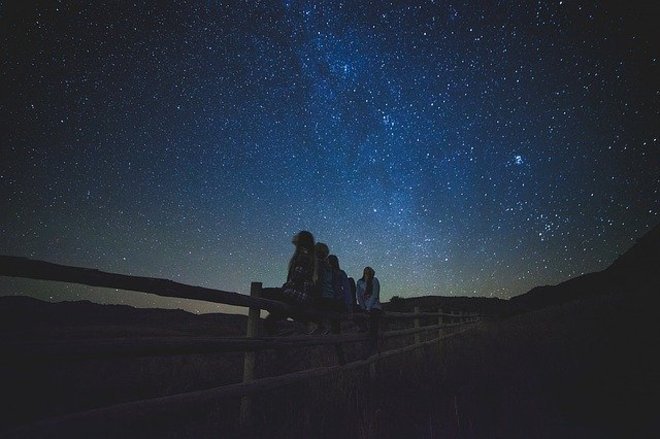
O cometa Neowise está visível do Brasil desde a última quarta-feira (22), mas avistá-lo, e sobretudo, fotografá-lo, pode ser uma tarefa difícil, visto que o corpo celeste se encontra cada vez mais distante do Sol, e consequentemente, menos brilhante. O R7 conversou com o astrofotógrafo Rafael Defavari, que já teve fotografias publicadas pela Nasa, para saber quais são as dicas para quem quer aprender a fotografar o céu e os astros
*Estagiária do R7 sob supervisão de Pablo Marques
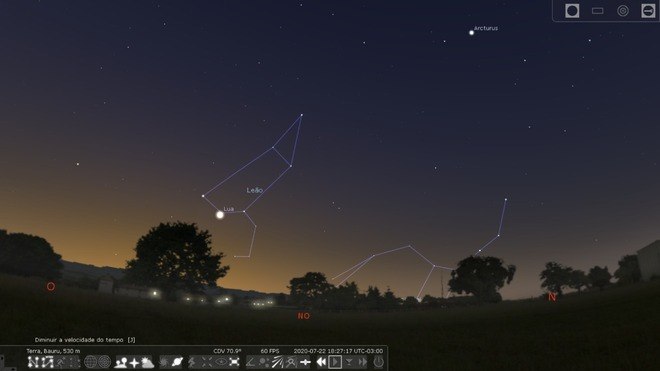
O primeiro passo é saber se o objeto que se deseja fotografar estará visível no céu. Alguns aplicativos, como o Stellarium, podem auxiliar nessa tarefa. “A ferramenta funciona como um planetário, fornecendo o céu do dia em qualquer parte do planeta. Você coloca as coordenadas geográficas e ele mostra como está o céu naquela região. Pessoas que desejam fotografar o cometa Neowise, por exemplo, podem aderir essa dica”, afirma Defavari
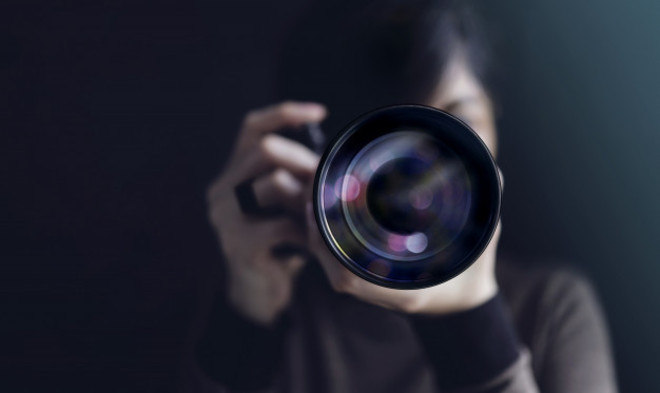
Uma vez feito isso, o próximo passo é aprender a dominar o modo manual da câmera – ou do celular –, que inclui os seguintes aspectos: tempo de exposição, abertura e ISO. “Os celulares não dão a opção de configurar a abertura, mas mexendo só no tempo de exposição e no ISO, já costuma ser o suficiente para iniciantes”
De acordo com o especialista, o tempo de exposição é a quantidade de tempo a qual o obturador da máquina fotográfica ou do celular fica exposta a luminosidade. “Quando se aumenta o tempo de exposição manualmente, se consegue fazer com que mais luz chegue no sensor e a foto fique mais clara. Se você tirou uma foto e ela ficou escura, a primeira coisa que você pode fazer é aumentar o tempo de exposição”
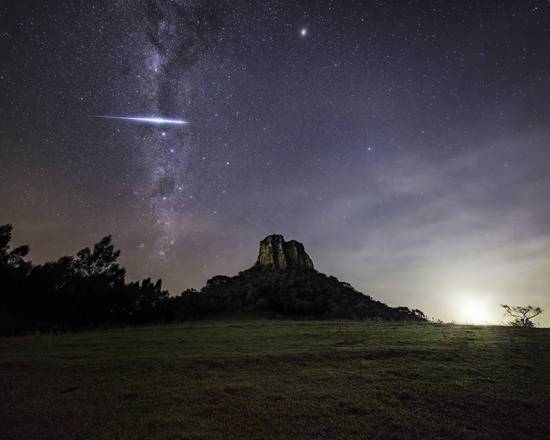
Quanto mais escuro for o local, maior será o tempo de exposição necessário. “Se você estiver na cidade, o tempo de exposição recomendado é entre 2 e 5 segundos. Já se você estiver em um ambiente totalmente escuro, o tempo indicado é aproximadamente 30 segundos.”
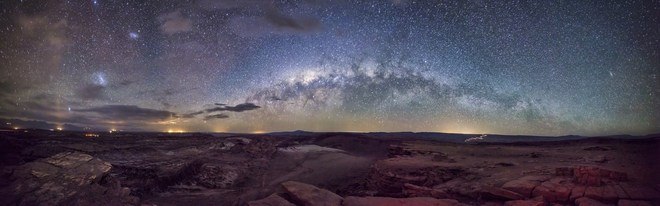
O tempo de exposição e o ISO, que é basicamente a sensibilidade do sensor, possuem a mesma função: deixar a foto mais clara. Para fotos tiradas na cidade, o ISO recomendado é de aproximadamente 200. Já em locais totalmente escuros, o ISO deve variar entre 1.600 a 3.200
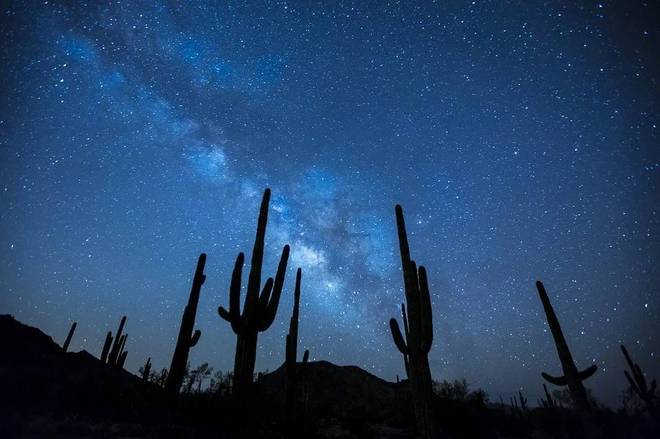
A abertura da lente nada mais é do que a abertura do diafragma, que, por sua vez, é o sistema que permite que a luz passe pelo obturador e chegue até o sensor. Quanto maior for a incidência de luz, mais detalhes tênues se tornam visíveis. Segundo Defavari, para iniciantes, o ideal é deixar a câmera o mais aberta possível – acima de 2,8
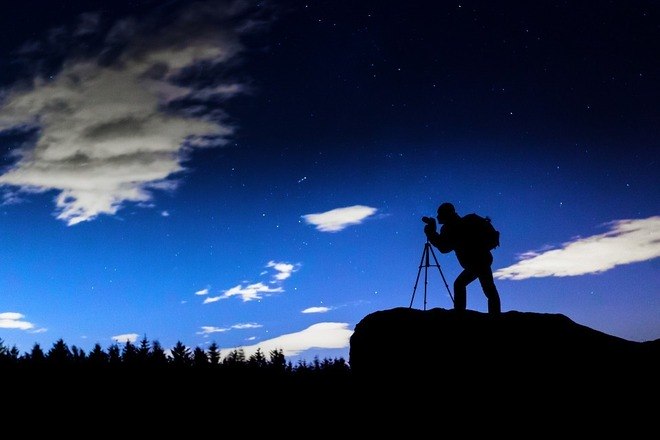
Outra dica do especialista é usar um tripé. Caso não seja possível, é fundamental que a pessoa posicione a máquina fotográfica ou o celular em um local onde o aparelho fique imóvel. “A câmera precisa estar totalmente fixa durante todo o tempo de exposição da foto – caso contrário, ela sairá borrada. Caso não tenha um tripé, o que você pode fazer é posicionar o aparelho em cima de um muro ou uma pedra e programar o timer”
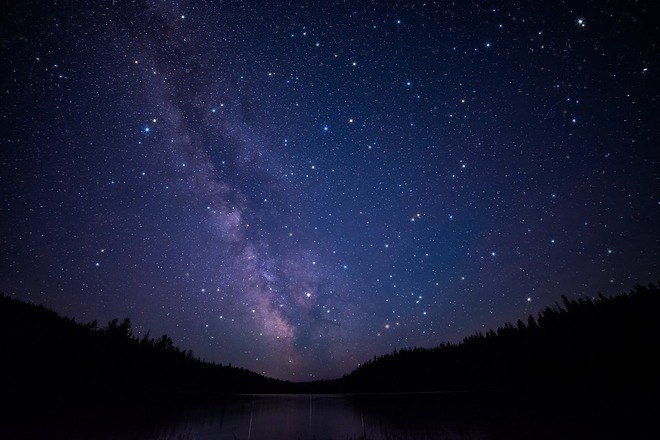
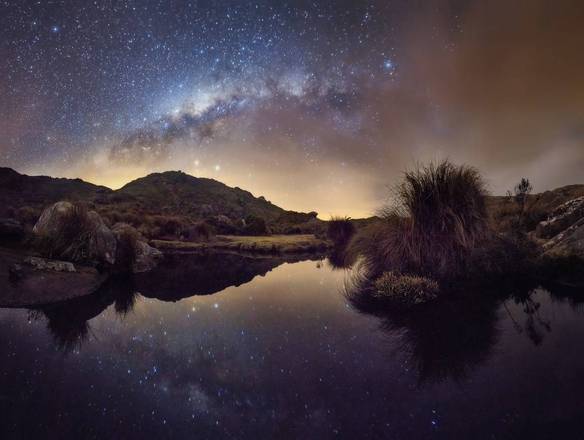
Por fim, Defavari ressalta que o local deve ser afastado de prédios, árvores e qualquer fonte luminosa. A luz da Lua também atrapalha, então o ideal é fotografar em um dia em que o satélite natural da Terra não esteja visível. Além disso, o céu deve estar limpo, isto é, sem nuvens
Este texto foi publicado primeiro em http://noticias.r7.com/tecnologia-e-ciencia/fotos/astrofotografo-da-dicas-para-fazer-fotos-do-ceu-durante-a-noite-28072020
Via RSS publicado em https://vitorolig.tumblr.com/post/624905445315903488