Pular para o conteúdo principal

O que fazer (e não fazer) durante videoconferências de trabalho

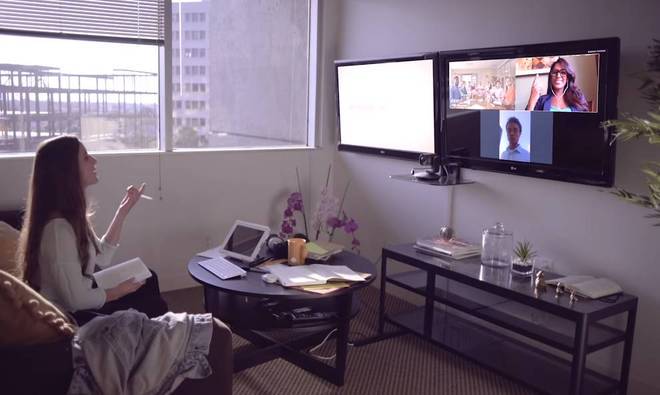
Com a pandemia do novo coronavírus, muitas pessoas passaram a enfrentar uma realidade de trabalho diferente. Sem a possibilidade de realizar reuniões pessoalmente e com a maioria dos funcionários trabalhando de casa, as videoconferências se tornaram necessárias. O R7 conversou com Vicente Picarelli, que atua há 35 anos na área de Recursos Humanos, para dar dicas do que fazer e do que não fazer durante essas reuniões e não passar vergonha nas frente dos chefes e colegas.
Atenção com o microfone. Fechar o seu microfone sempre que não estiver falando é a primeira dica, pois, se ele ficar aberto, todos poderão ouvir tudo o que acontece em seu ambiente. Se um cachorro latir na vizinhança ou um caminhão passar em frente a sua casa, esses sons podem atrapalhar o fluxo da conversa.
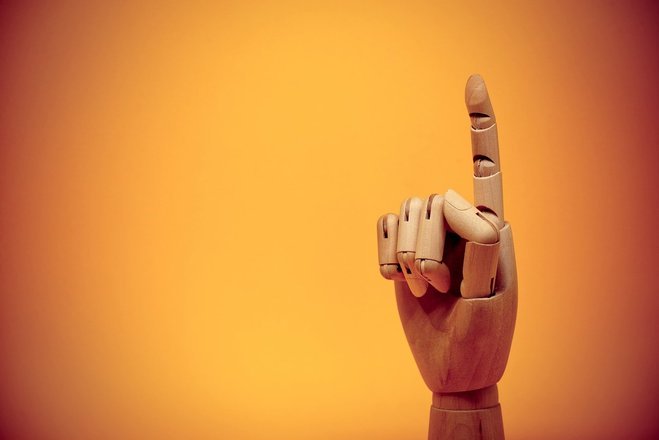
Peça a palavra antes de falar. Seja por meio do chat ou em botões específicos, todas as plataformas possuem métodos para que você chame a atenção e peça a palavra sem ter de interromper as outras pessoas que estão falando.
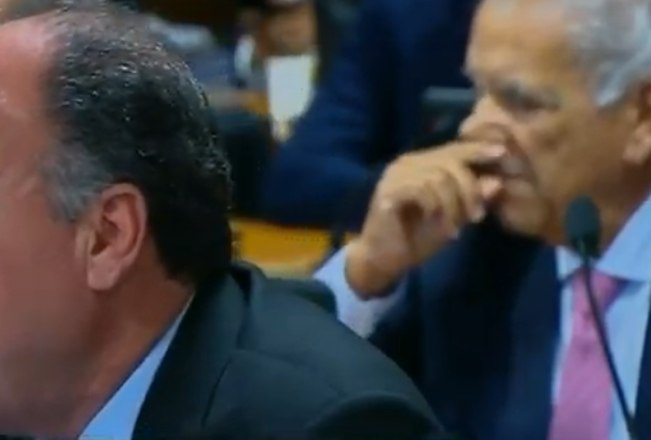
Lembre-se que você está sendo transmitido em vídeo. Qualquer coisa que você fizer poderá ser vista pelos outros, então fique esperto. “Você pode acabar ficando desatento por estar na sua casa e resolver mexer no nariz ou algo do tipo. Apesar de estar sozinho no ambiente físico, está com mais pessoas no virtual”, comenta Vicente.
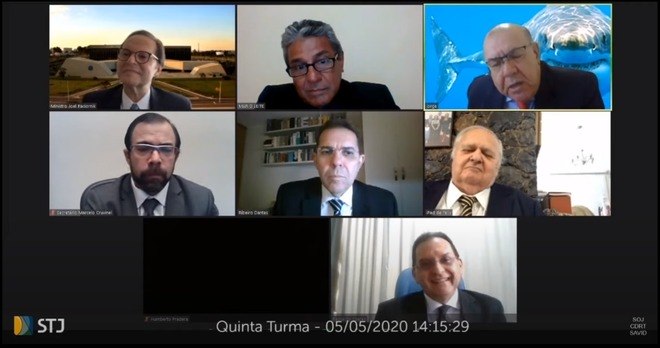
Cuidado com o fundo virtual. Durante uma sessão virtual da Quinta Turma do STJ, o ministro Jorge Mussi apareceu com um tubarão ao fundo. Ele disse que o neto colocou e não soube como tirar. Para evitar constrangimentos desnecessários, utilize o mínimo possível os fundos virtuais. Escolha algo condizente com a situação do encontro, mas apenas se o local de trabalho estiver desorganizado e você não quiser que ninguém o veja.

Não faça nada que você não faria em uma reunião presencial. Se você não vai a uma reunião de trabalho de pijama ou camiseta, não o faça na videoconferência. Se, sentado à mesa de reunião, você não se levanta para ajudar alguém que não está na reunião a carregar um pacote de compras, não faça isso em casa também. Mantenha seu foco na reunião até que ela se encerre.
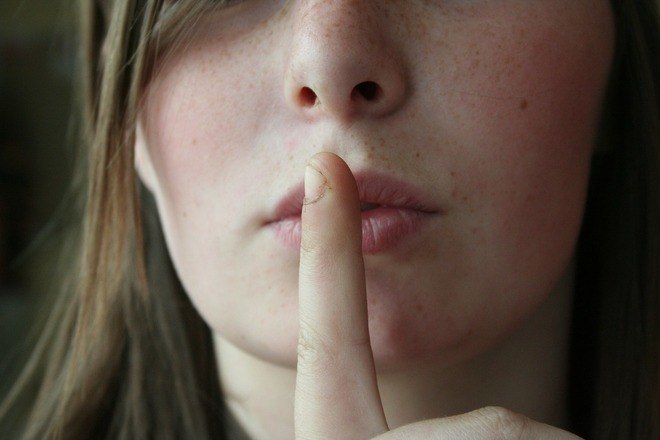
Combine com as outras pessoas da sua casa. Antes de participar da videoconferência, converse com as pessoas que moram com você para que elas evitem fazer barulho e não se aproximem muito de você e apareçam no vídeo sem querer.
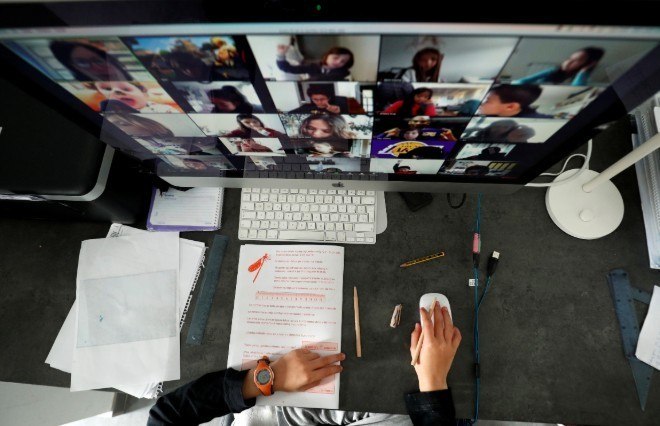
Disciplina na condução do assunto. Para aqueles que estão coordenando as reuniões, é importante manter o fio da conversa centrado no tema principal. Já que todos estão em suas casas, a chance de um assunto paralelo tomar conta da conversa e estender desnecessariamente a reunião é grande, principalmente com grupos de muitas pessoas.
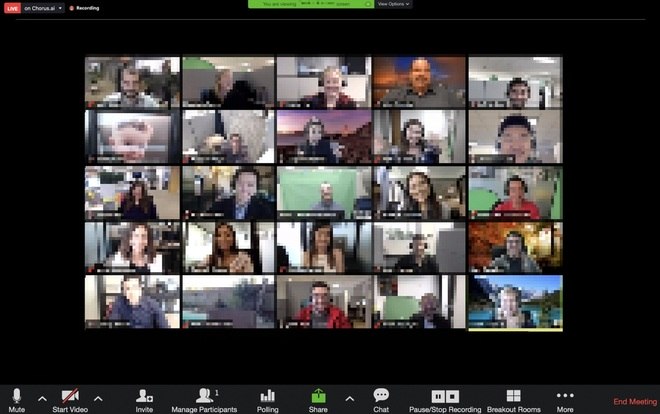
Aprenda a lidar com a ferramenta. Normalmente as plataformas de videochamadas são extremamente simples de se utilizar após uma primeira experiência, então pesquise e descubra o que cada botão ou função na tela faz e esteja preparado para a próxima reunião.


Este texto foi publicado primeiro em http://noticias.r7.com/tecnologia-e-ciencia/fotos/o-que-fazer-e-nao-fazer-durante-videoconferencias-de-trabalho-18052020

Via RSS publicado em https://vitorolig.tumblr.com/post/618432558359789568

Postagens mais visitadas deste blog

Duke Kahanamoku reflects on surfing, Olympics, and old Hawaii in 1966 interview

Duke Kahanamoku is the most influential surfer of all time and is often hailed as the father of modern surfing. There is nearly no one questioning these titles. Recently, Public Broadcasting Service (PBS) Hawaii unveiled a never-before-seen interview with the legendary surfer and Olympic swimmer. In the 1966 episode of Pau Hana Years, a seminal Hawaii television program that aired on KHET-TV (now PBS Hawaii) for 16 years, running from 1966 until 1982, Bob Barker chats with Duke Kahanamoku, then 76. The conversation drifts from royal ancestry to Olympic lanes, from Hollywood sets to a surfboard shaped by hand, tracing the outline of a life that helped define modern surfing and Hawaii's public image in the 20th century. And if you know little about the man who dreamed of getting surfing into the Olympic Games, this is a precious piece of history. A name with history, worn casually The interview starts with Kahanamoku explaining that "Duke" is not a title but his giv...

The hydrodynamics of surfboard fins

Have you ever wondered why a surfboard fin looks like that? It is a single or a set of fixed blades or keels located under a board, near the tail, often no bigger than a hand. Yet that small surface is where much of the surfboard's behavior takes place. Speed, hold, looseness, and the feeling of control all trace back to how water moves around fins. The physics of surfboard fins falls under hydrodynamics, the study of how fluids behave in motion. So, according to science, they feature a shape designed to turn flowing water into several forces. Let's take a look at what's at stake when fins and water interact. Lift and the feeling of control One of the key variables in hydrodynamic terms involving surfboard fins is lift. When a surfer leans into a turn, the board tilts and the fins meet the water at an angle. The angle is enough to create a pressure difference between the two sides of the fin. Water speeds up on one side and slows on the other. The result is a sidewa...

How paddleboarding transforms your body and mind

Adventure is on our doorstep. With so many different bodies of water available to paddleboarders, from city canals to coastal routes, we can find adventure in places much closer to home than people might initially expect. According to the Canal and River Trust, 50 percent of people in England and Wales live within just eight kilometers of a canal or river, and eight million people live less than one kilometer away. I had lived within just a few kilometers of the Leeds and Liverpool Canal for years and never really explored it before stand-up paddleboarding (SUP) came into my life . The challenge created both a new perspective and a deeper love for where I lived and the areas which I passed through. On my coast-to-coast journey, I slept in my own bed for two nights as the route passed through my then hometown of Skipton, yet I felt I was on a grand journey of discovery. We are braver, stronger, and more resilient than we think. SUP not only helps us feel more connected to our va...