
O CPF está entre os documentos mais importantes que um brasileiro tem. Tanto que a maioria, por tanto utilizar, acaba decorando os números. É possível encontrar o número na carteira de habilitação, RG e até mesmo no passaporte. Mas, para facilitar ainda mais a vida e evitar que se tenha de carregar documentos desnecessariamente, a partir desta semana é possível baixar o aplicativo de celular oficial do governo e ter o documento na palma da mão. Veja a seguir um passo a passo de como utilizar a nova ferramenta
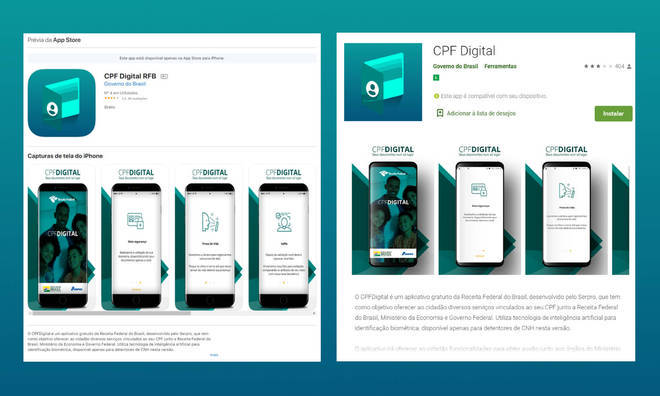
Para começar, é necessário encontrar e baixar o aplicativo correto na loja virtual de seu celular. Se você tem um celular Android, clique aqui para acessar a Play Store; se você tem um iPhone, clique aqui para entrar na App Store.
Caso não consiga acessar o link, basta buscar por Governo do Brasil nas plataformas e, assim, encontrar todos os apps oficiais, incluindo o CPF
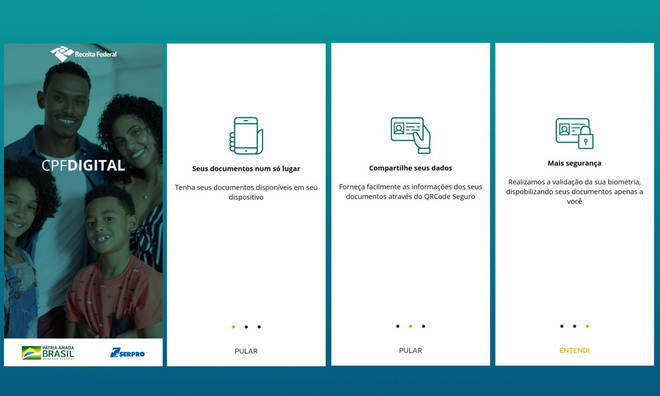
Ao acessar o aplicativo pela primeira vez, é dada uma rápida explicação sobre sua funcionalidade. Basta arrastar o dedo para o lado até chegar na última página e, então, clicar em “entendi”
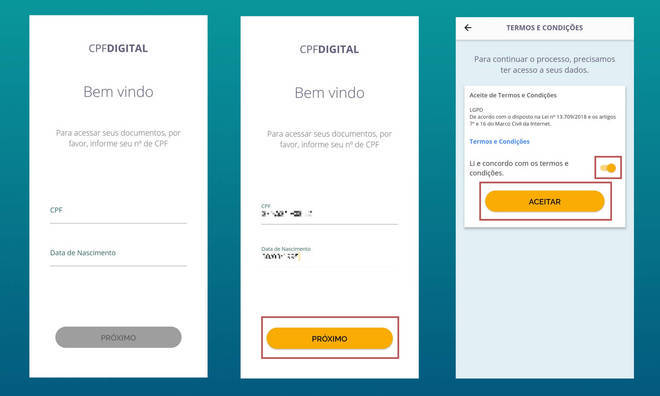
Depois disso, será necessário preencher com seus dados os campos de CPF e data de nascimento. Então, basta clicar em próximo. Uma nova página vai se abrir com os termos e condições. Para ler, basta clicar no texto “termos e condições”, escrito em azul. Então, selecionar a chave cinza para que ela fique amarela, demonstrando que você concorda com os termos e condições e, então, clicar em aceitar
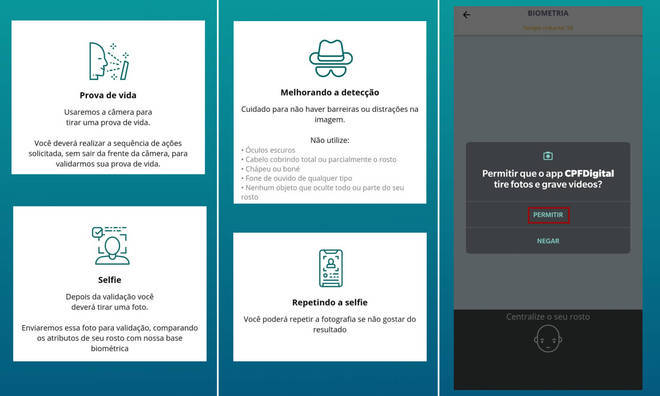
Neste momento o aplicativo irá explicar como funciona o sistema biométrico de detecção de prova de vida. São quatro telas que devem ser arrastadas para o lado até que se possa clicar em “entendi” novamente. Depois disso, o sistema vai pedir a sua autorização para que o app do CPF digital possa utilizar sua câmera. É só clicar em “permitir”
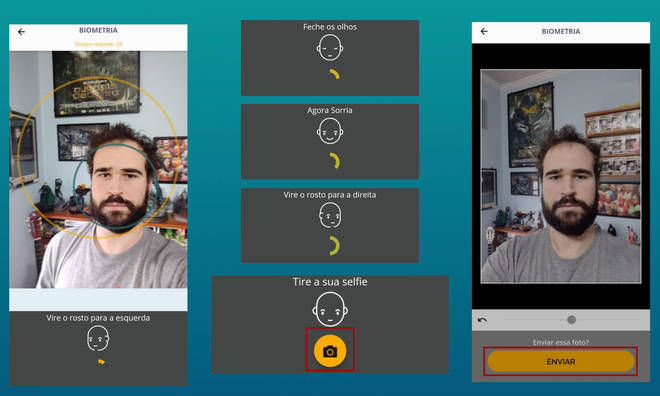
Então a câmera vai abrir e solicitar que você centralize seu rosto, fazendo com que ele fique dentro do círculo verde. Quando ouvir um sinal sonoro e sentir seu celular vibrar, olhe no canto inferior da tela para ver qual a próxima instrução que deve ser seguida. Ao centro da imagem, você vê alguns exemplos, como “vire seu rosto para a esquerda”, “feche os olhos” e “sorria”. A cada etapa concluída você terá o sinal sonoro e a vibração como confirmação. Depois disso, é só tirar uma selfie e clicar em enviar
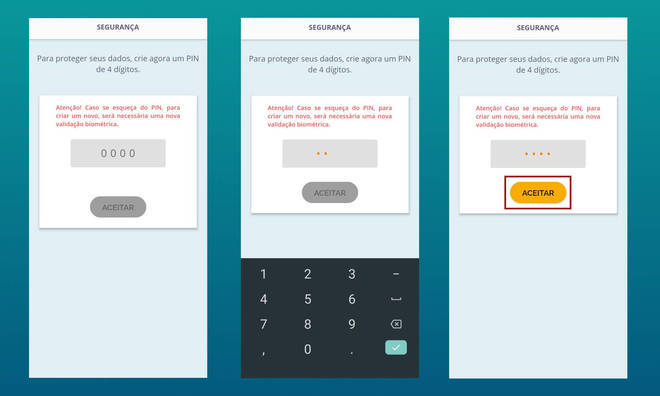
Este é o momento em que você deve definir qual será a sua senha. São necessários 4 dígitos para que se possa clicar em aceitar e finalizar o cadastro
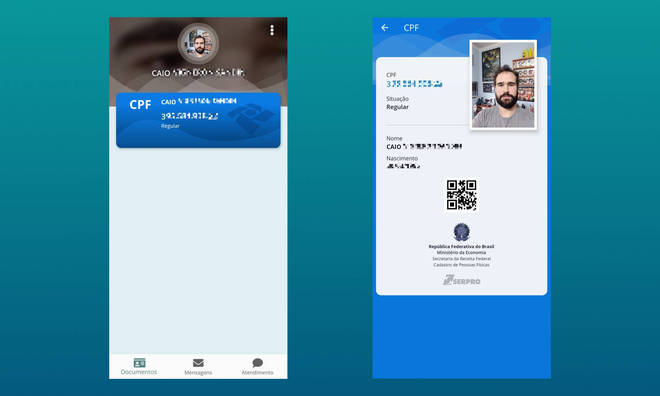
Quando você finalizar o seu cadastro a tela à esquerda vai ser apresentada para você. Clicando sobre o CPF, ele irá se expandir, mostrando mais informações e um QR Code que o identifica, além da selfie que você tirou alguns passos atrás
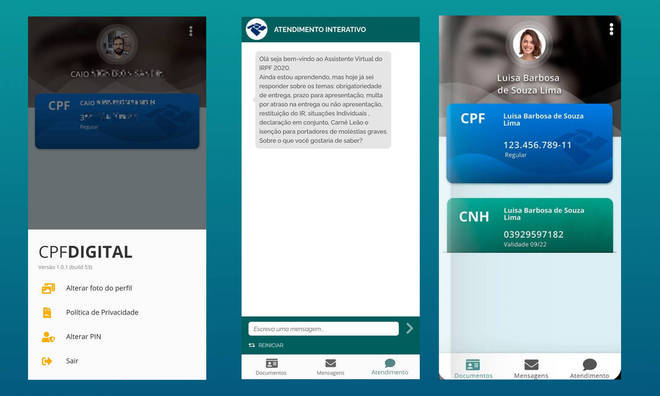
Na tela inicial, é possível abrir as opções e trocar sua foto ou senha. No canto direito, você tem acesso ao atendimento virtual, onde pode tirar dúvidas sobre o Imposto de Renda. Para aqueles que possuem o aplicativo com a carteira de habilitação digital, ela também ficará disponível através do app do CPF, como demonstrado no exemplo à direita da foto
Este texto foi publicado primeiro em http://noticias.r7.com/tecnologia-e-ciencia/fotos/governo-federal-lancou-cpf-digital-em-aplicativo-veja-como-usar-15052020
Via RSS publicado em https://vitorolig.tumblr.com/post/618272558527168512