Pular para o conteúdo principal

Covid-19: DF inicia pesquisa de plasma de pacientes curados

Plasma é tentativa de encontrar tratamento
Plasma é tentativa de encontrar tratamento Reprodução/Record TV

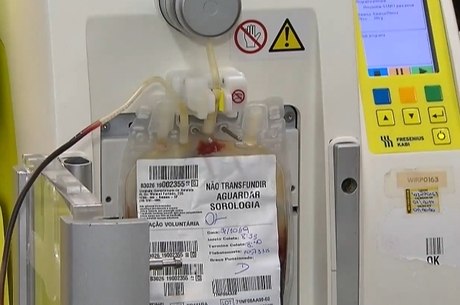
A Fundação Hemocentro do Distrito Federal anunciou quarta-feira (29) o início de pesquisa para verificar a efetividade do tratamento de pacientes infectados pelo novo coronavírus com plasma de pessoas curadas. A investigação deste método ocorre também em outros estados, como Rio de Janeiro e em São Paulo.

A utilização do plasma convalescente é uma das tentativas de encontrar tratamentos que evitem o avanço da pandemia e a mortalidade em pacientes com convid-19 — doença causada pelo vírus. A hipótese é que os anticorpos desenvolvidos por uma pessoa curada contribuam para combater o vírus em outro indivíduo.

Ainda não há evidência científica deste benefício, contudo. Uma pesquisa realizada na China chegou ao resultado de três de cinco pessoas conseguindo ter alta da internação após receberem plasma. Mas a amostra é pequena. Por isso outros locais estão promovendo investigações semelhantes.

A Fundação convida pessoas que já tenham se recuperado da covid-19 para servirem como doadoras. Para participar, é preciso ter entre 18 e 60 anos, pesar no mínimo 60 kg, não ter filhos, não ter diagnóstico laboratorial de covid-19 (não valem, portanto, testes rápidos), estar sem sintomas há 15 dias e não ter tido complicações como parada cardíaca ou entubação.

Além disso, é preciso atender os requisitos normalmente exigidos para doação de sangue. Os interessados devem preencher um formulário, disponibilizado na página específica da pesquisa criada no site da Fundação Hemocentro.

O envio do formulário não garante a participação. Representantes da equipe da pesquisa entrarão em contato para verificar outras condições clínicas por meio de entrevista. Uma vez selecionada, a pessoa fará um procedimento denominado aférese, quando é realizada a separação do plasma por centrifugação da amostra de sangue.

“O tratamento da pesquisa pode não ser 100% efetivo, mas pode ajudar uma efetividade de acordo que estão nos nossos protocolos. Ele pode contribuir para que a gente possa mostrar os benefícios da utilização de plasma de pacientes que já estão curados”, declarou em cerimônia de anúncio da iniciativa o presidente da Fundação Hemocentro, Osnei Okumoto.


Este texto foi publicado primeiro em http://noticias.r7.com/tecnologia-e-ciencia/covid-19-df-inicia-pesquisa-de-plasma-de-pacientes-curados-29042020

Via RSS publicado em https://vitorolig.tumblr.com/post/616792998434455552

Postagens mais visitadas deste blog

Duke Kahanamoku reflects on surfing, Olympics, and old Hawaii in 1966 interview

Duke Kahanamoku is the most influential surfer of all time and is often hailed as the father of modern surfing. There is nearly no one questioning these titles. Recently, Public Broadcasting Service (PBS) Hawaii unveiled a never-before-seen interview with the legendary surfer and Olympic swimmer. In the 1966 episode of Pau Hana Years, a seminal Hawaii television program that aired on KHET-TV (now PBS Hawaii) for 16 years, running from 1966 until 1982, Bob Barker chats with Duke Kahanamoku, then 76. The conversation drifts from royal ancestry to Olympic lanes, from Hollywood sets to a surfboard shaped by hand, tracing the outline of a life that helped define modern surfing and Hawaii's public image in the 20th century. And if you know little about the man who dreamed of getting surfing into the Olympic Games, this is a precious piece of history. A name with history, worn casually The interview starts with Kahanamoku explaining that "Duke" is not a title but his giv...

The hydrodynamics of surfboard fins

Have you ever wondered why a surfboard fin looks like that? It is a single or a set of fixed blades or keels located under a board, near the tail, often no bigger than a hand. Yet that small surface is where much of the surfboard's behavior takes place. Speed, hold, looseness, and the feeling of control all trace back to how water moves around fins. The physics of surfboard fins falls under hydrodynamics, the study of how fluids behave in motion. So, according to science, they feature a shape designed to turn flowing water into several forces. Let's take a look at what's at stake when fins and water interact. Lift and the feeling of control One of the key variables in hydrodynamic terms involving surfboard fins is lift. When a surfer leans into a turn, the board tilts and the fins meet the water at an angle. The angle is enough to create a pressure difference between the two sides of the fin. Water speeds up on one side and slows on the other. The result is a sidewa...

How paddleboarding transforms your body and mind

Adventure is on our doorstep. With so many different bodies of water available to paddleboarders, from city canals to coastal routes, we can find adventure in places much closer to home than people might initially expect. According to the Canal and River Trust, 50 percent of people in England and Wales live within just eight kilometers of a canal or river, and eight million people live less than one kilometer away. I had lived within just a few kilometers of the Leeds and Liverpool Canal for years and never really explored it before stand-up paddleboarding (SUP) came into my life . The challenge created both a new perspective and a deeper love for where I lived and the areas which I passed through. On my coast-to-coast journey, I slept in my own bed for two nights as the route passed through my then hometown of Skipton, yet I felt I was on a grand journey of discovery. We are braver, stronger, and more resilient than we think. SUP not only helps us feel more connected to our va...